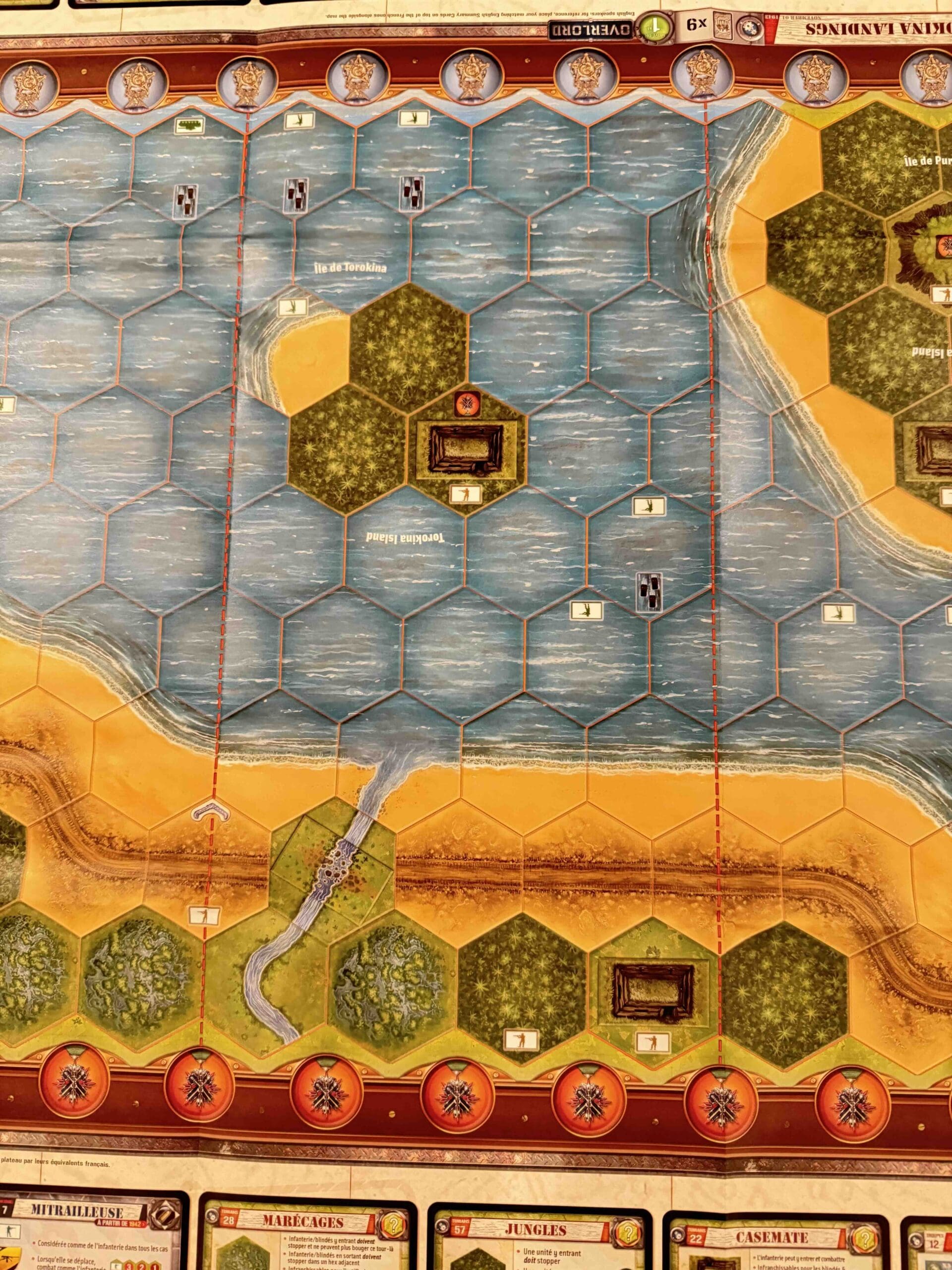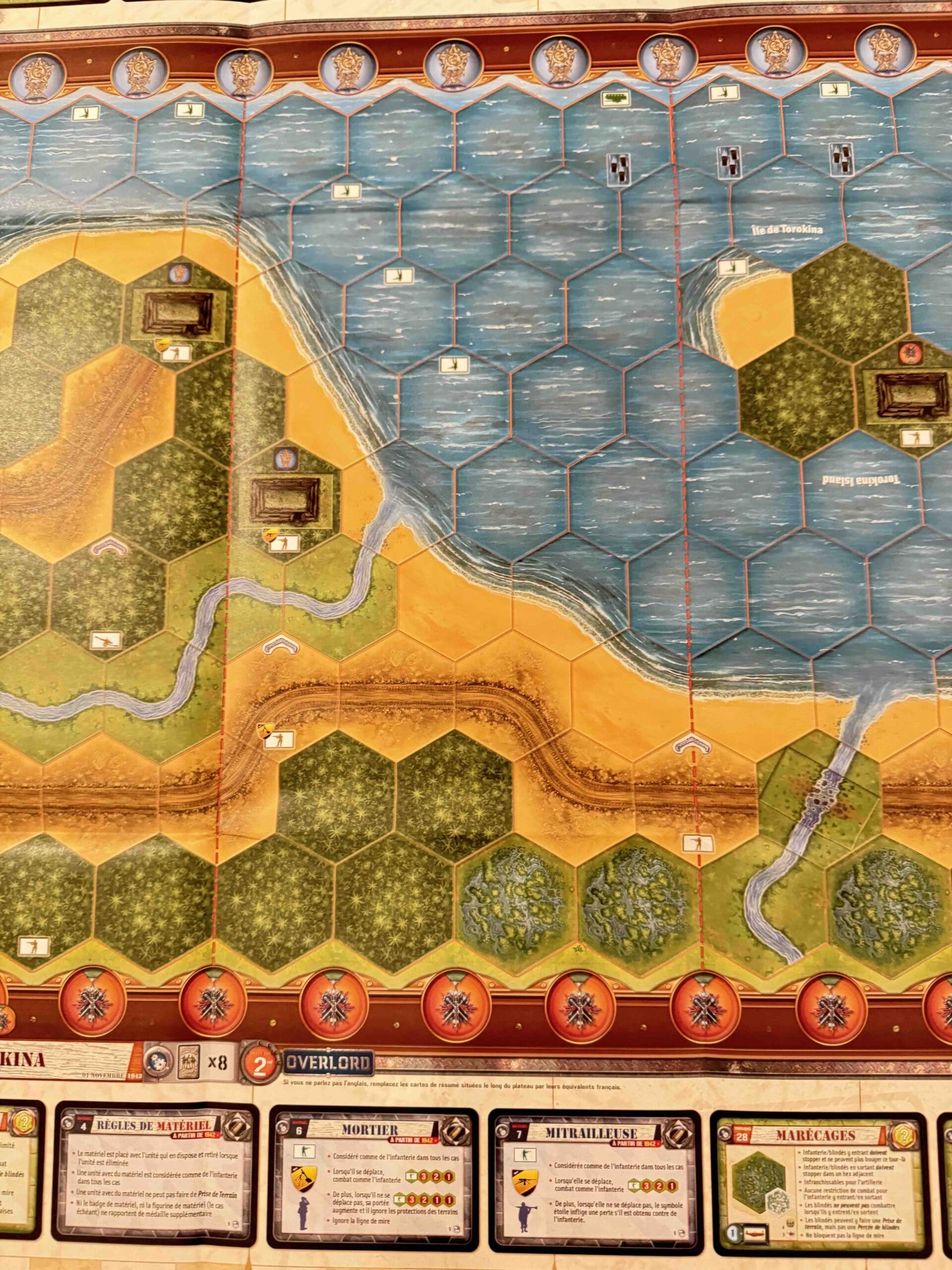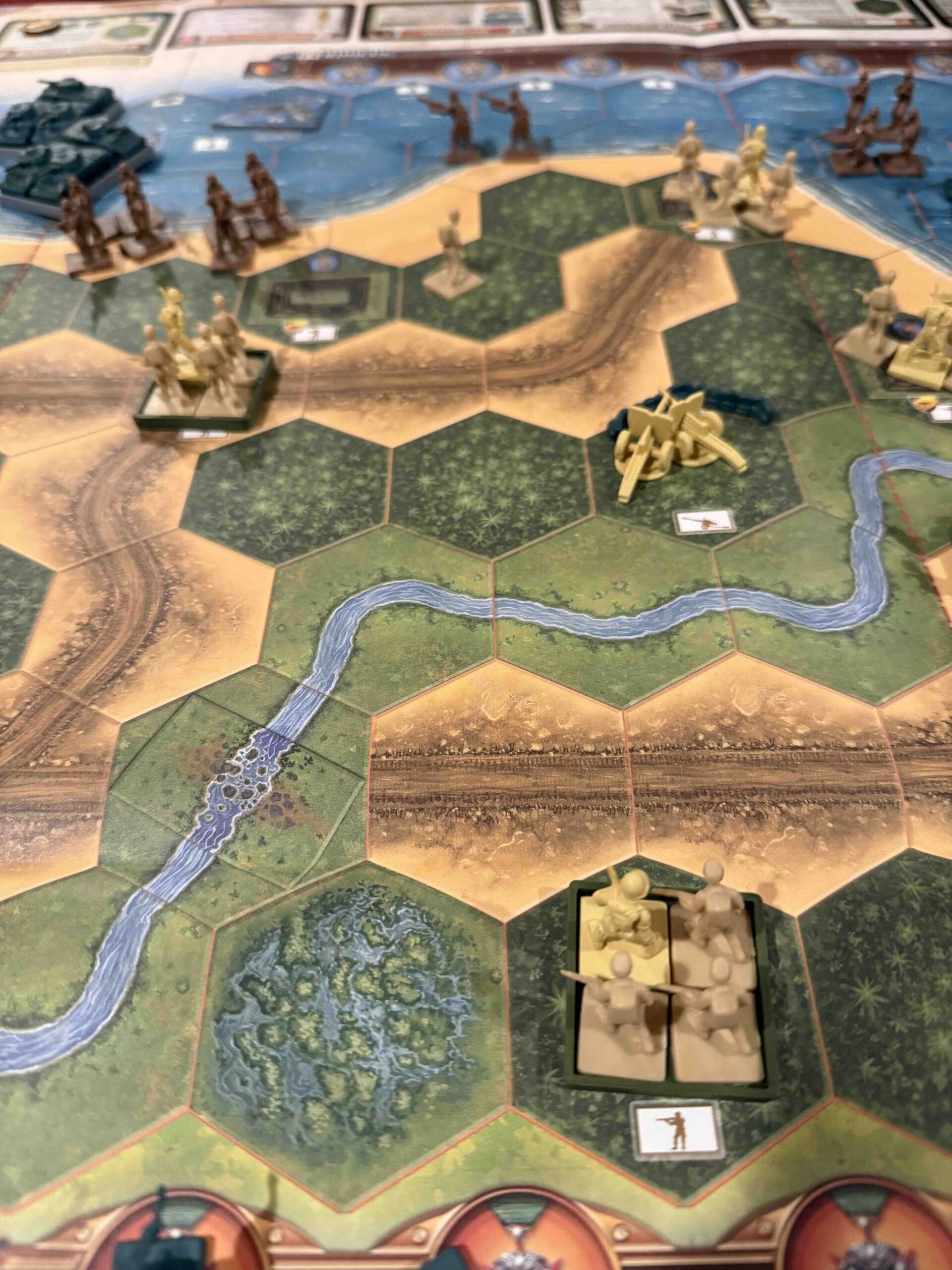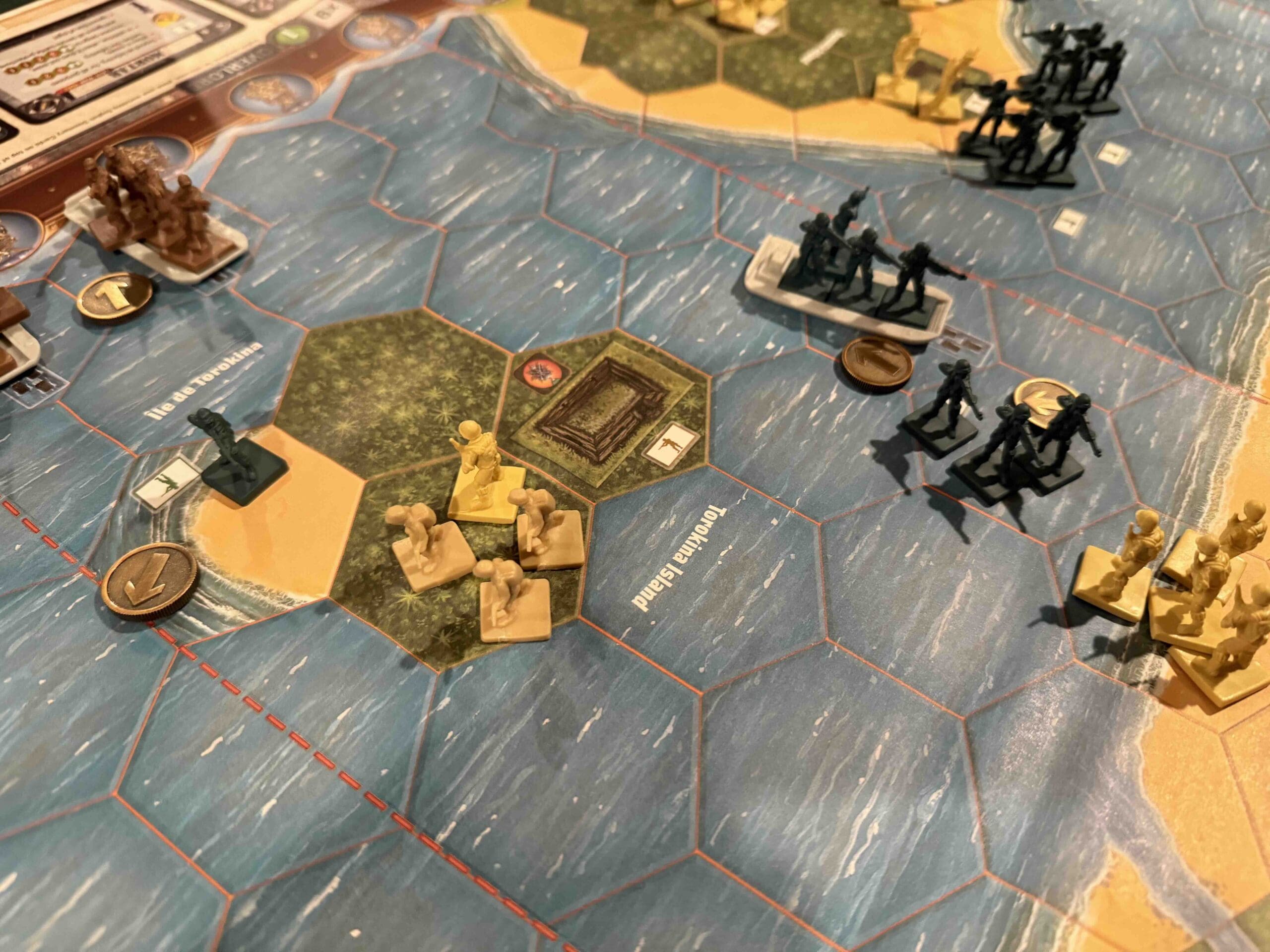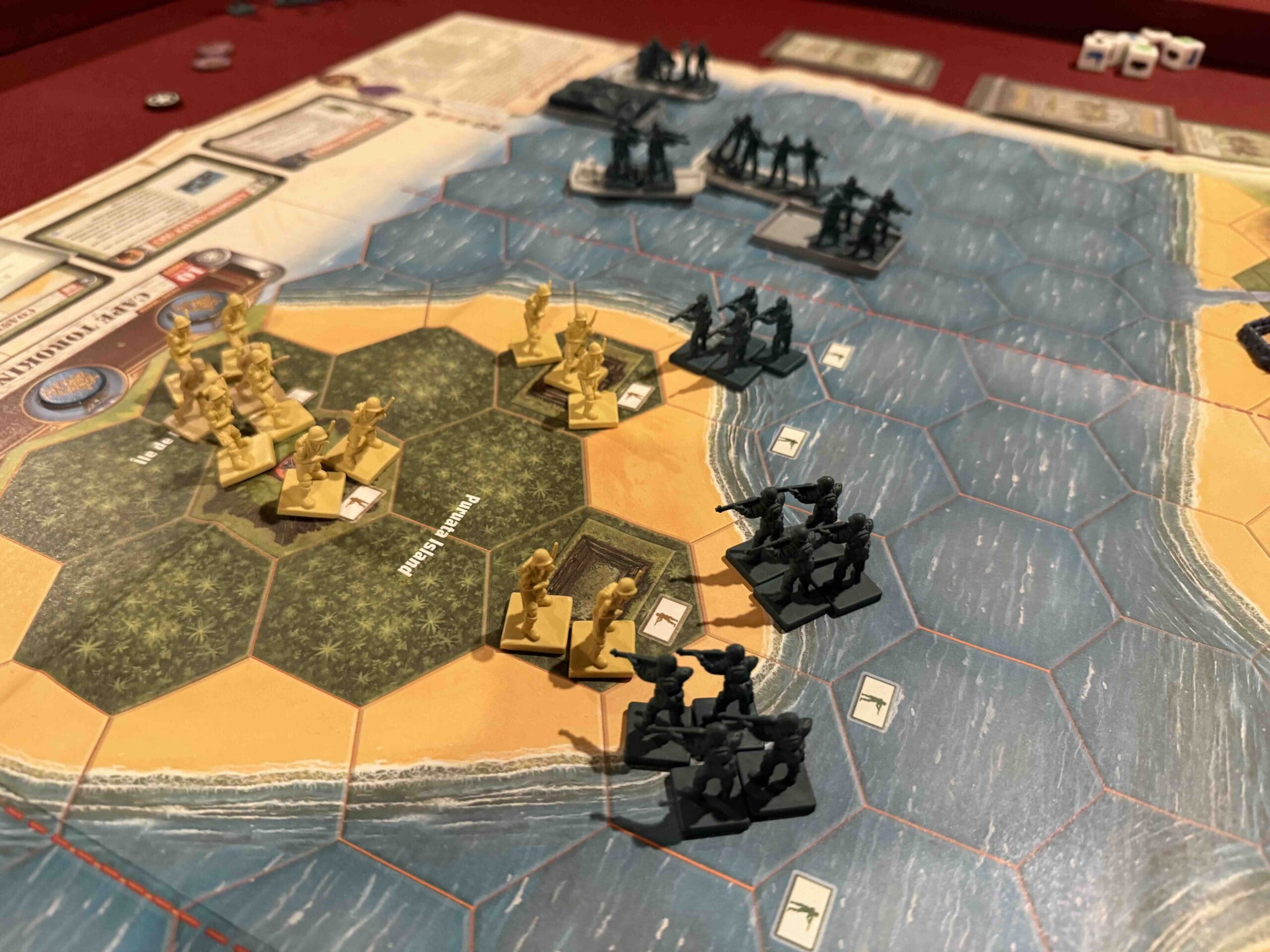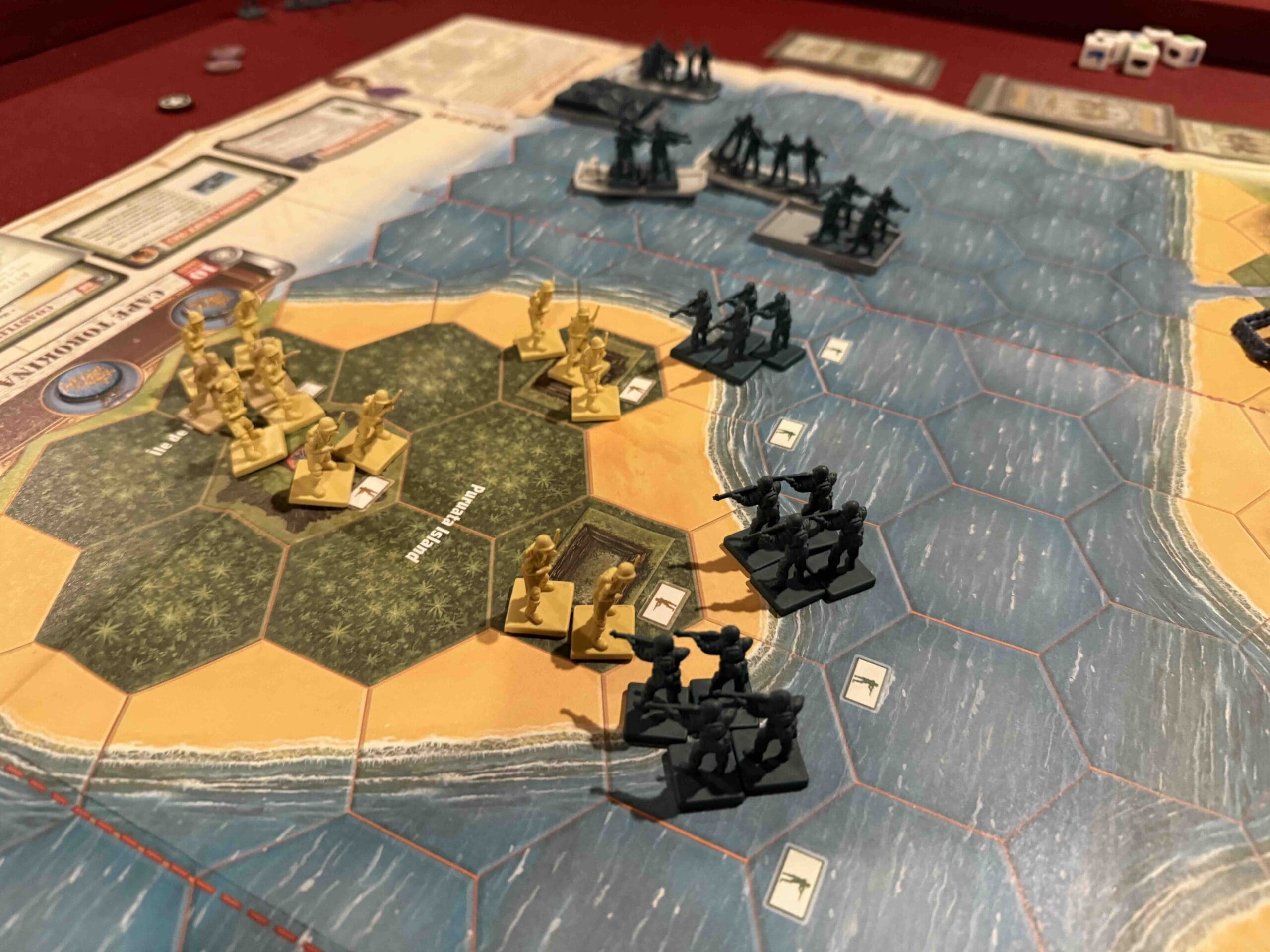
Cape Torokina Landings

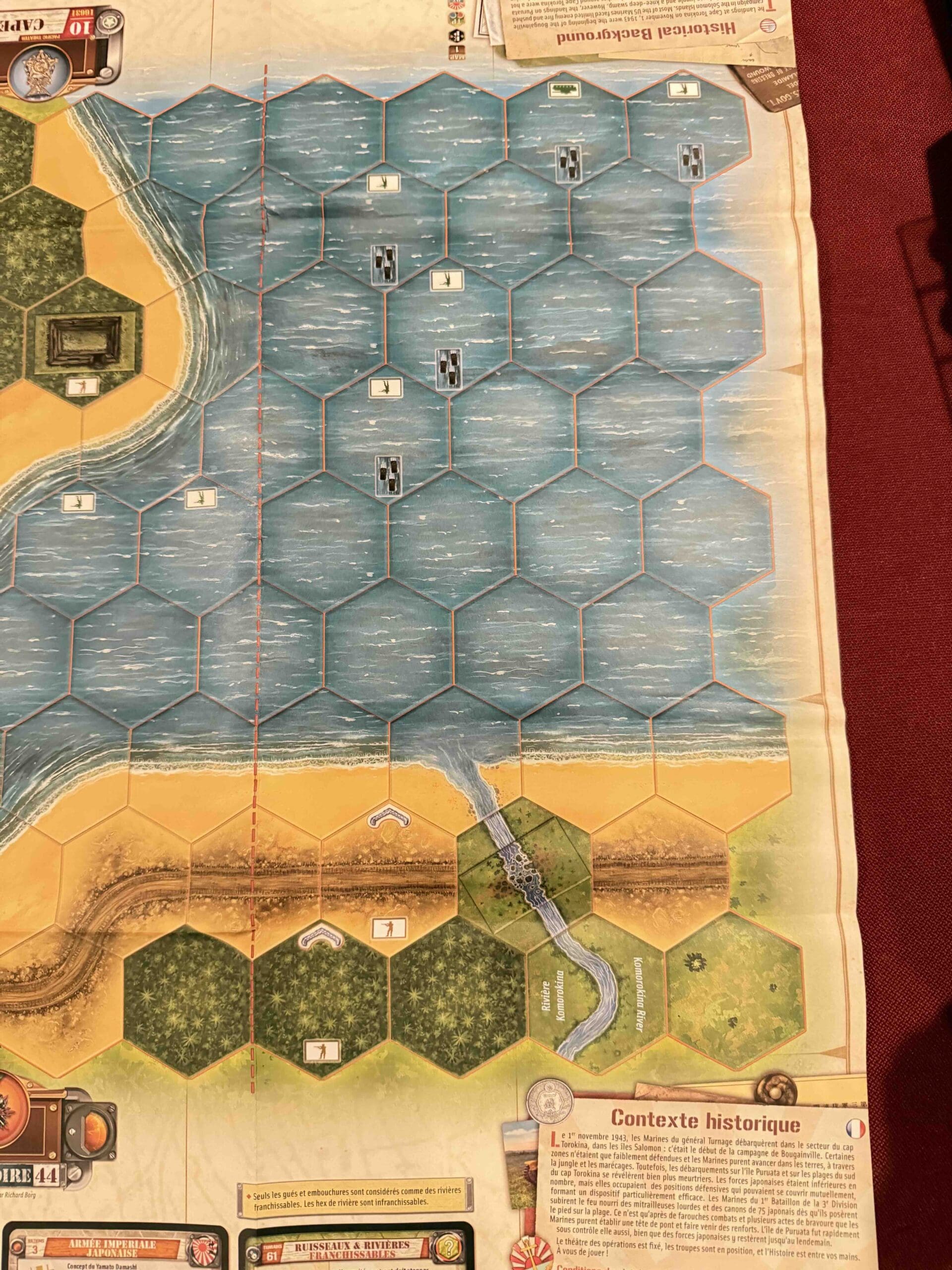
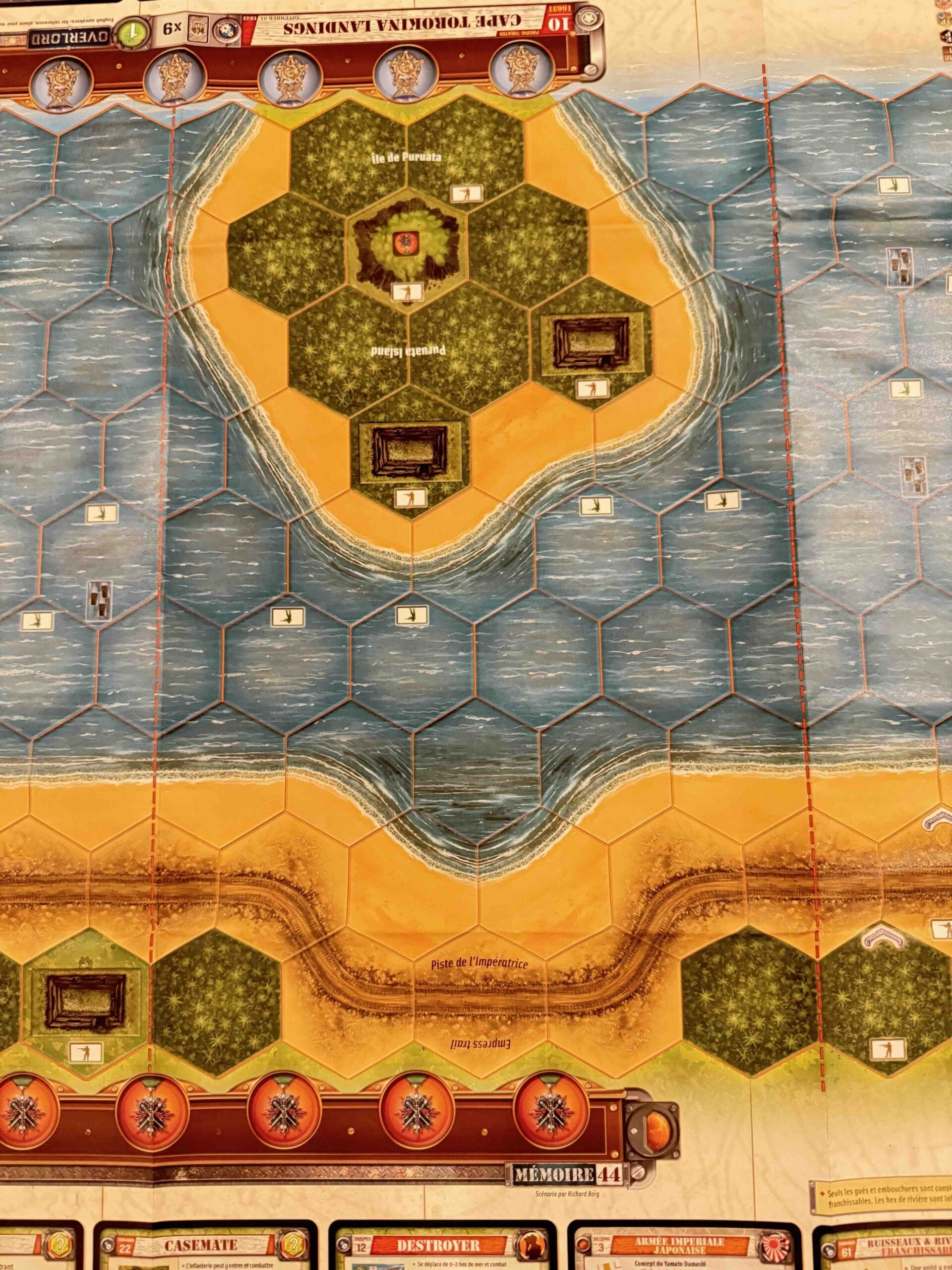
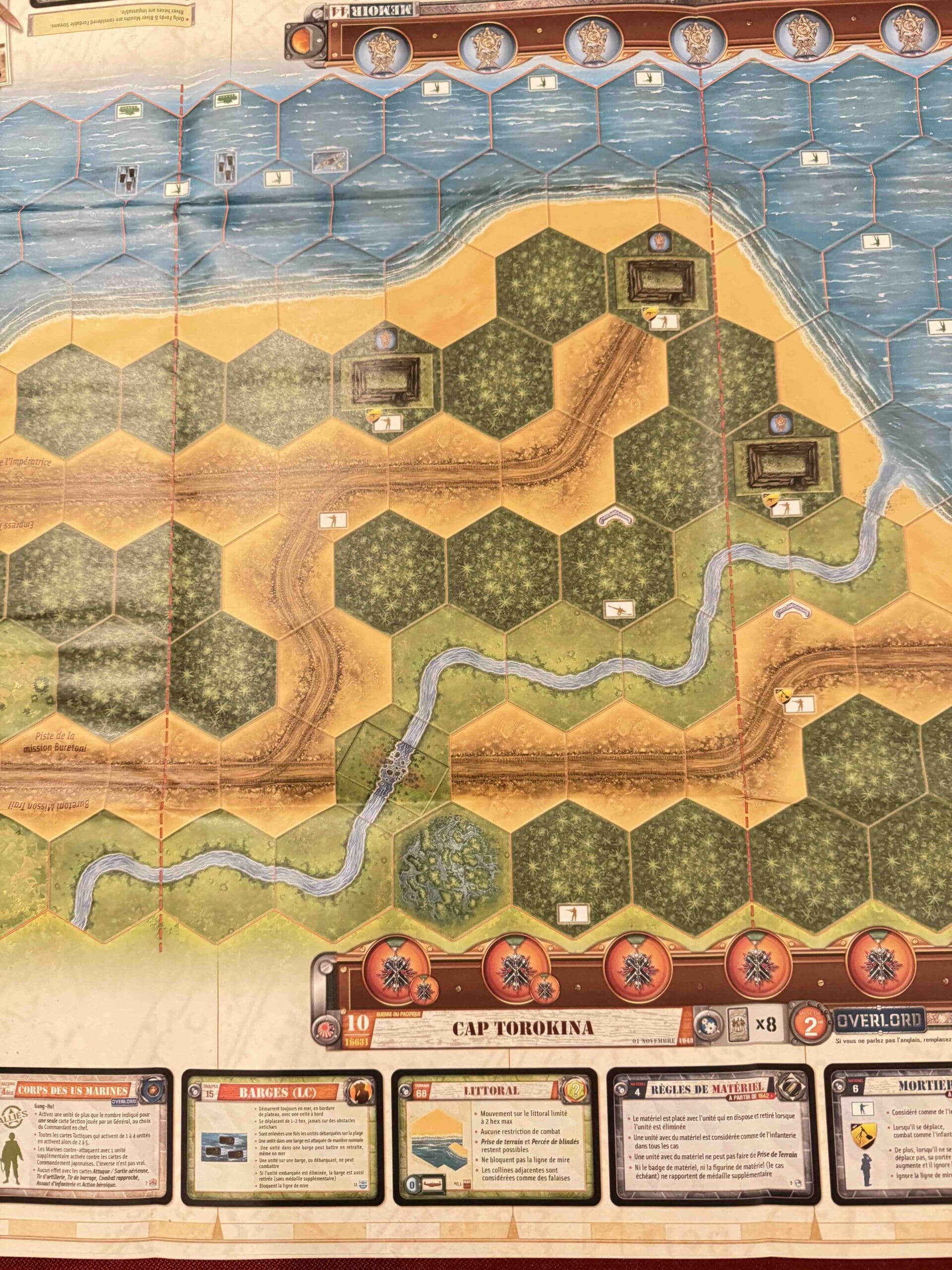
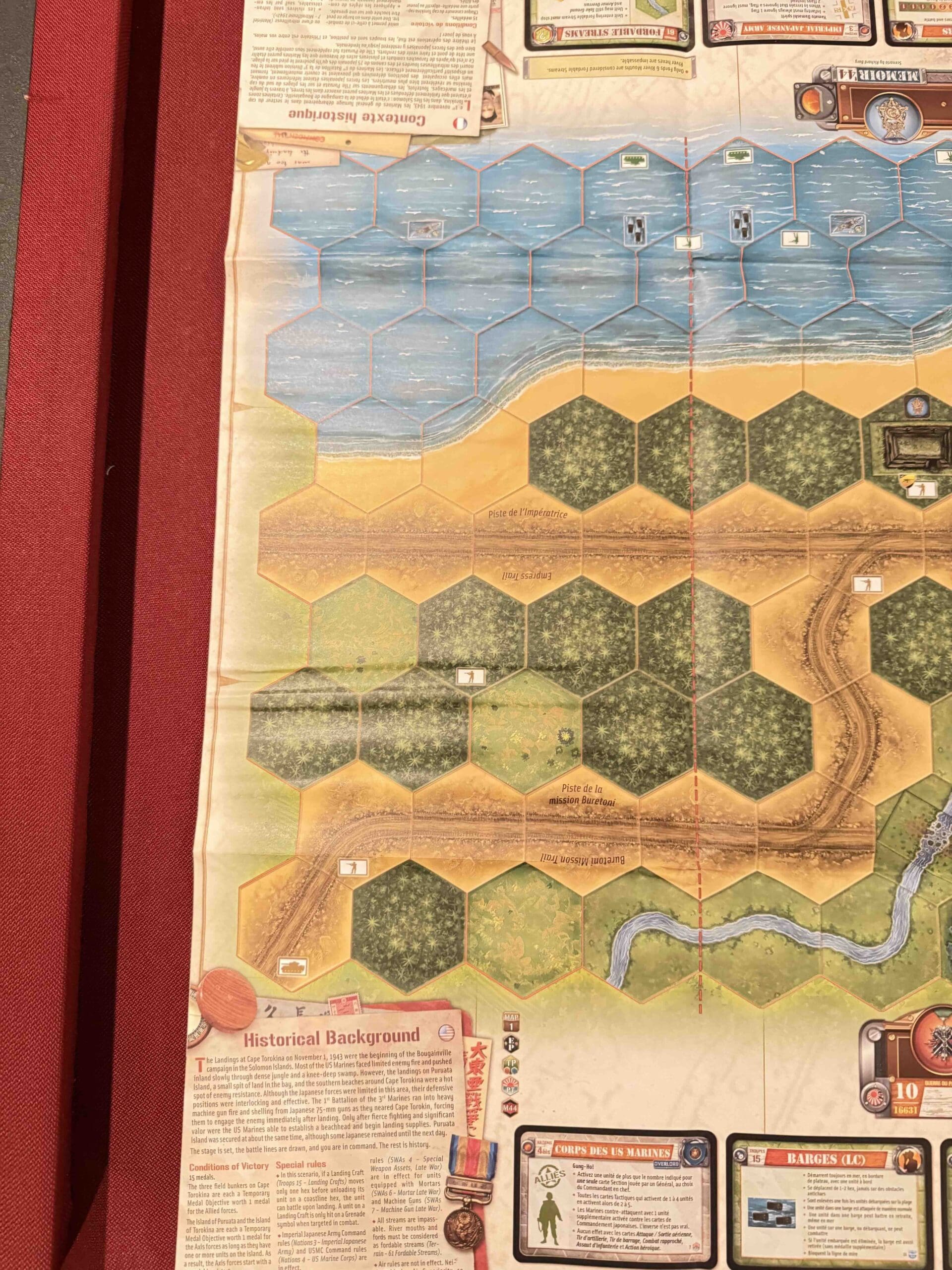
Cape Torokina Landings (Overlord Map)
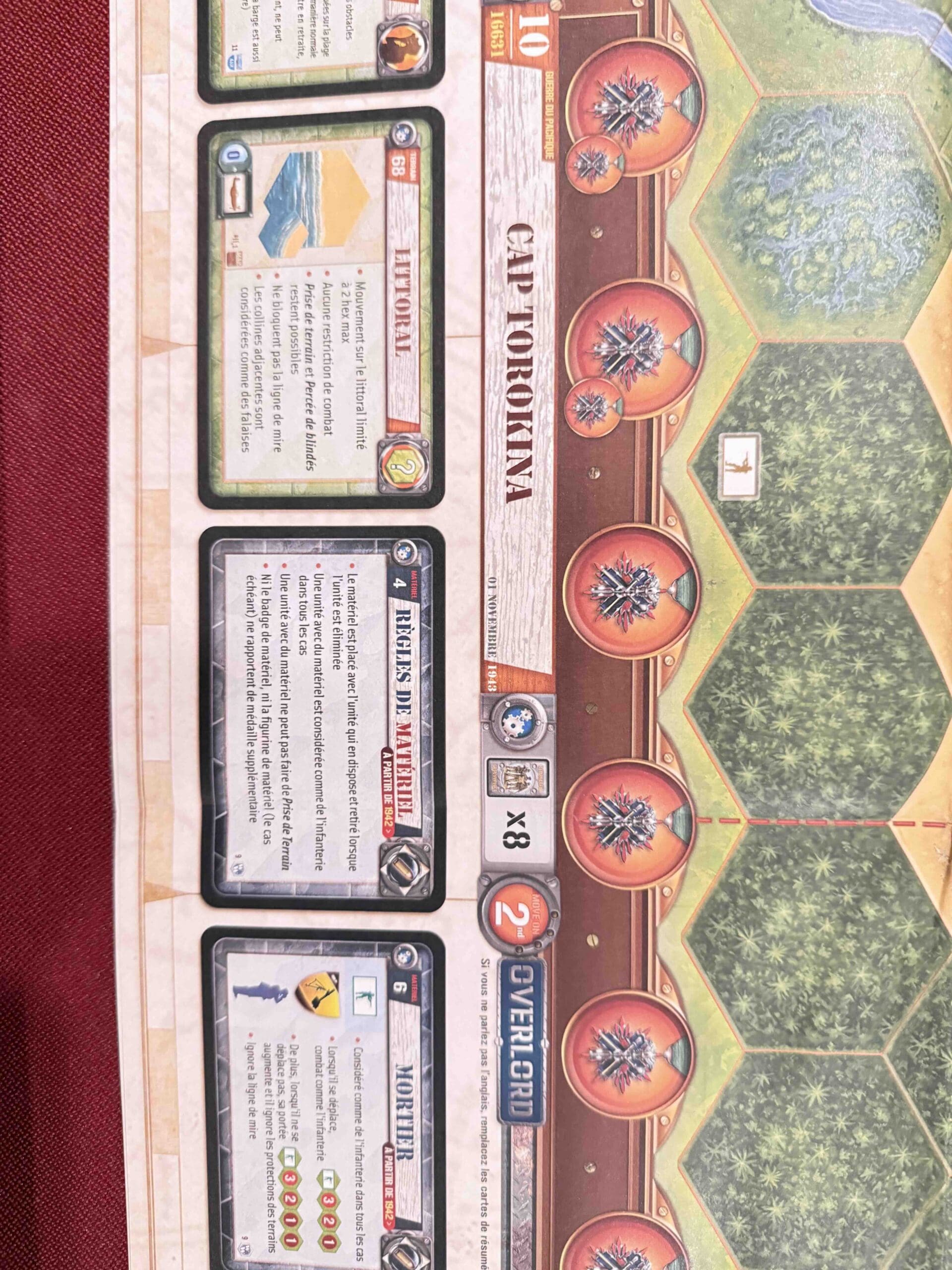
“Listen up, men! On November 1st, 1943, our boys hit those beaches at Cape Torokina like a thunderbolt. Those Marines of the 1st and 3rd Divisions didn’t blink at the sight of jungle, mud, and dug-in enemy troops. They took that beachhead by the throat and held on like bulldogs!

This wasn’t just another island—it was the gateway to busting open Rabaul and cutting off those Japanese forces. The jungle was a green hell, but we cut through it, took the ground, and started building the airstrips and supply bases to keep the hammer coming down.

That’s how you do it, boys—land hard, fight harder, and don’t stop until you’ve got a fortress behind you and the enemy on the run. That’s what those Marines did at Cape Torokina—they paved the road to victory in the Pacific!

~~ General Howitzer

Timeline of the Cape Torokina Landings (Bougainville)

  • November 1, 1943D-Day for Cape Torokina:
    U.S. 1st and 3rd Marine Divisions land at Cape Torokina. Initial beachhead secured despite Japanese resistance and tough jungle terrain.

  • November 2–3, 1943
    Marines expand the perimeter, clearing Japanese defenses in nearby jungle areas.

  • Mid-November 1943
    Seabees and engineers begin constructing airfields and supply bases within the beachhead.

  • December 1943–January 1944
    Marines fortify positions, repel repeated Japanese counterattacks.
    Japanese strongpoints isolated and bypassed.

  • March–April 1944
    U.S. Army relieves Marines; continuing operations to expand and secure the beachhead.

15 VP’s

Card Balance:

Allies (Marines) – 9

Axis (Japan) – 8

Complexity:

4

Conditions:

Beach

Context:

Historical

Location:

Solomon Islands

Year:

1943

Theater:

Pacific

Campaign:

Bougainville

Codename:

Summary:

Objectives:

15 VP’s with various Medal Objectives for various territorial control.

Battlefield:

Islands with many rivers, roads, jungles, and hills

Troops:

Allies  – 21 Infantry, 4 Armor, 2 Destroyers, with Landing Crafts to bring them ashore

Axis  – 18 Infantry some with Special Weapons, 1 Armor, 1 Artillery


medal allies

🔥 Winning as Allies

1.  There are a number of special rules which you need to be aware as commander of the Allied forces.  First, there are two islands (Torokina & Puruata), which must be taken. Because the enemy begins the battle with forces on the islands, they start the battle with two victory medals.  As soon as you eliminate the enemy from an island, you will cause them to lose a victory medal, but you will NOT gain one.    Also note that because the Landing Crafts (LC’s) leave after dropping off your troops, they will be stranded on that island. So make sure you commit enough troops to win, but not too many.

2.  There are also three Field Bunkers which provide Temporary Territorial Medals to whichever side occupies them.  But you must remain in the bunker to keep the medals. 

3.  What this means then, is that although you begin the battle with overwhelming force, in order to clear the islands, and then occupy the Field Bunkers, you will need to be leaving troops at each of those locations.  So your attack force will be diminished for each parcel of land which you capture.  This must be factored into your planning commander!

medal axis

🔥 Winning as Axis

1.  Your primary role in this battle is a defensive one, but that does not mean passive.  You have troops which need to be prepared to fight and brought into the battle arena.

2.  You have an Armor unit stuck in the corner in the right flank. Get it into the action as soon as you can.

3.  You also have an Artillery which you should use at every opportunity to attack the enemy as they come ashore.

4.  Make use of the Seishin Kyoiku doctrine to attack with your full force units at every opportunity in order to maximize your extra firepower while they are still strong.

5. You have a lot of forces on the two islands.  Make the enemy pay for every inch of ground they take on the islands in order to reduce their main attack force.

Battle Reports

1
BR - Torokina

Author:

Days of Wonder

Link:
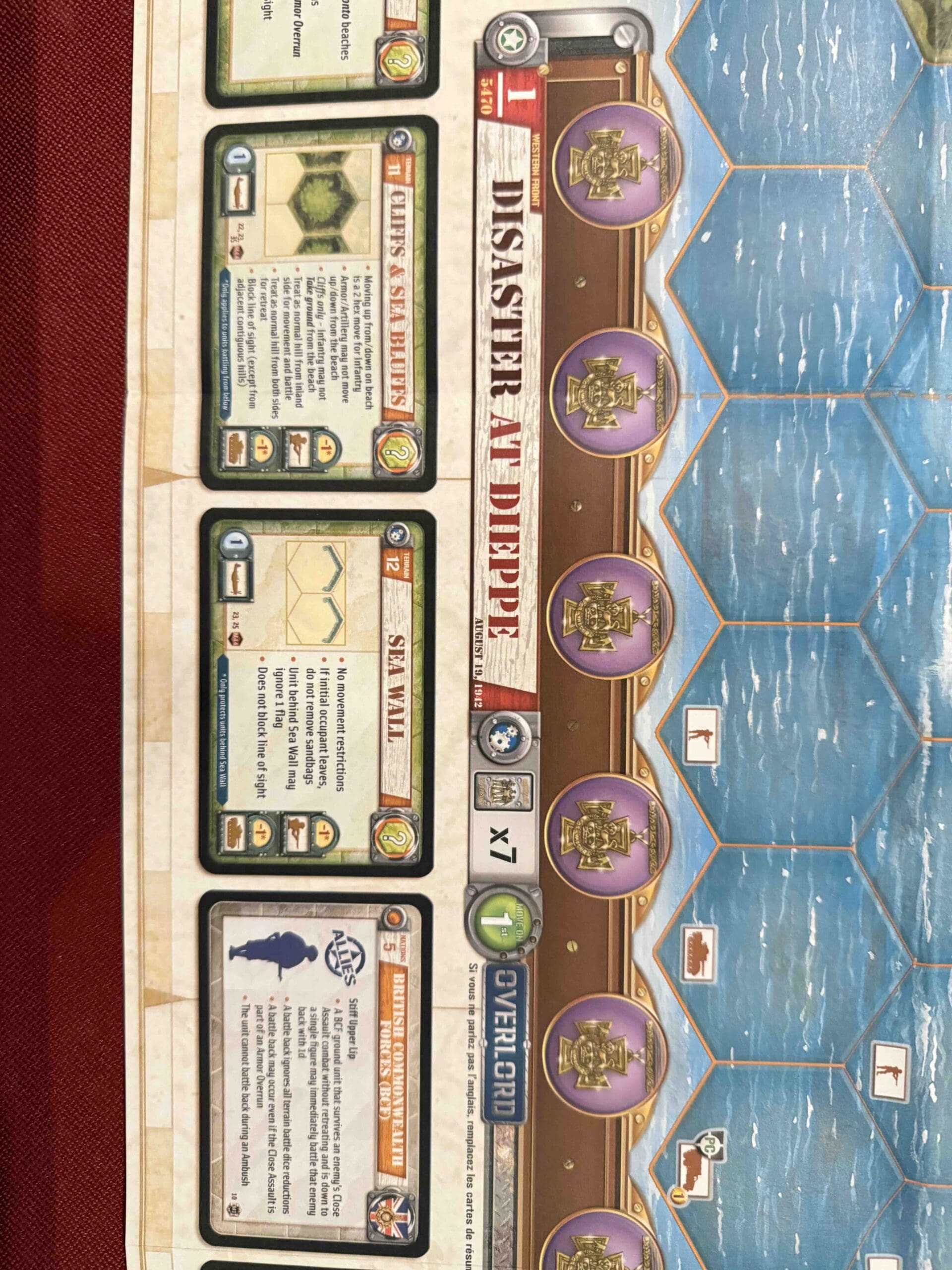
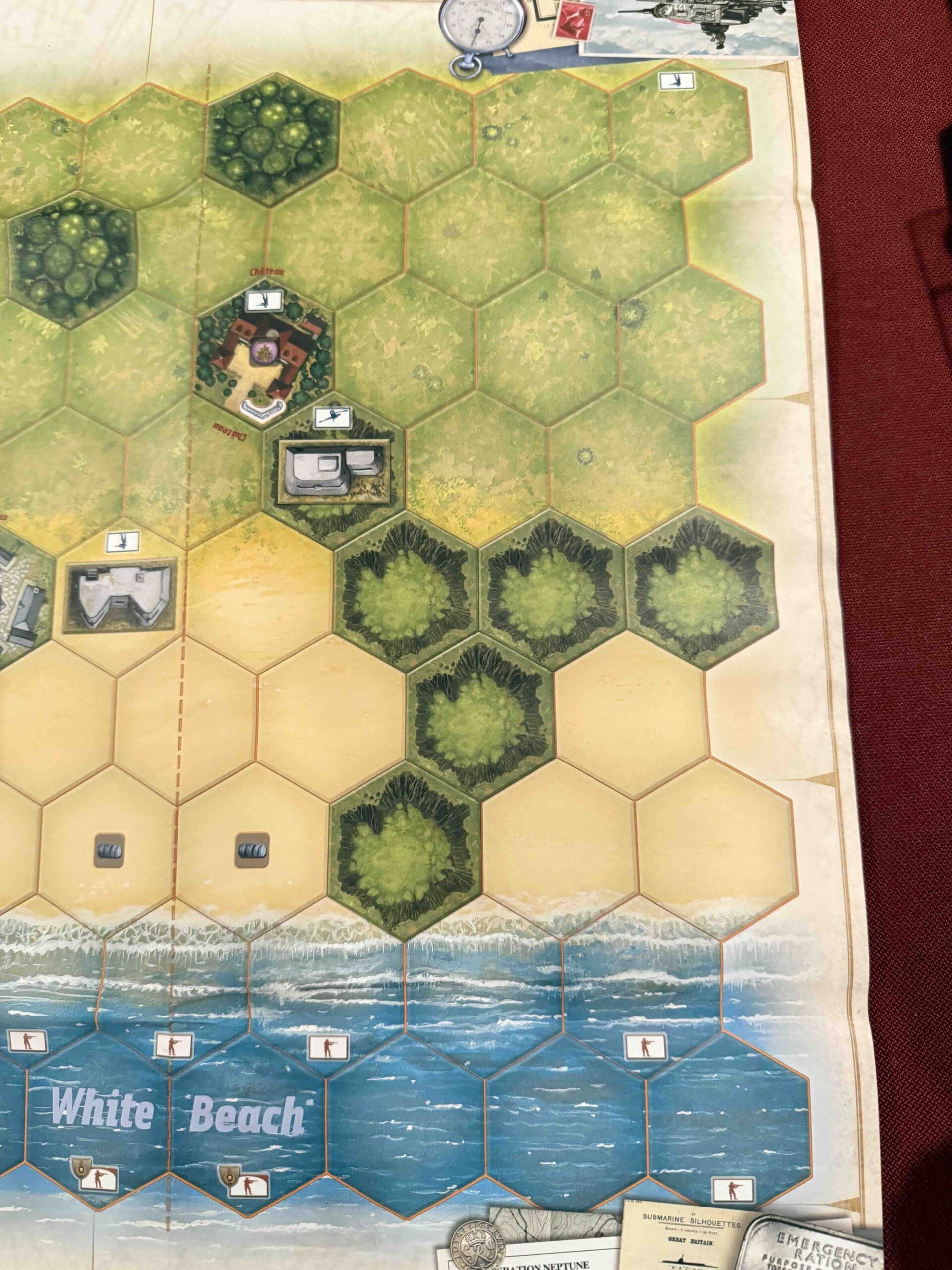
Disaster at Dieppe

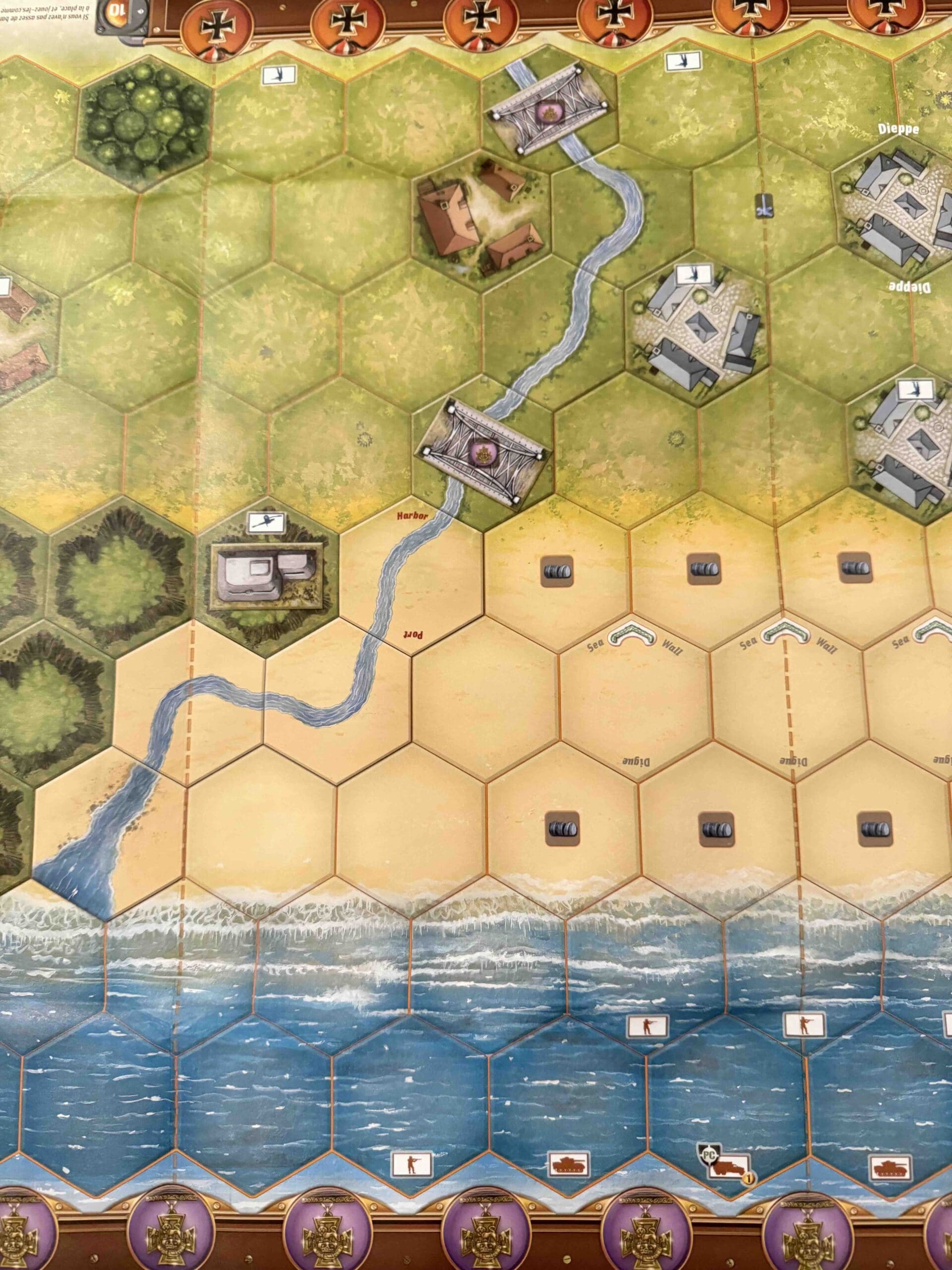
Disaster at Dieppe (Overlord Map)

Alright, listen up—

The raid on Dieppe? That was a damn mess. We sent in brave boys—mostly Canadians—straight into a meat grinder without proper prep, cover, or firepower. The plan? Hit the Germans fast, grab intel, wreck their defenses, and get out. But hell, it was all wrong from the get-go. No real surprise, no heavy bombing to soften ’em up, and we landed right on their gun barrels.

The beaches were narrow, rocky deathtraps. Our tanks got stuck, the infantry got chewed up, and the Navy couldn’t do a damn thing once the chaos started. Over half the force was wiped out, captured, or bleeding in the surf. It was a bloody disaster—but those boys fought like hell.

And I’ll tell you this: we learned. We learned what not to do. Next time, we brought the whole hammer—air, sea, tanks, everything. That’s how you do it. That’s how we did it on D-Day. Dieppe was a painful lesson—but it paid off in Normandy.

~~ General Howitzer

10 VP’s

Card Balance:

Allies – 7

Axis – 8

Complexity:

4

Conditions:

Beach

Context:

Historical

Location:

Baltic area

Year:

1944

Theater:

Eastern

Campaign:

Codename:

Operation Jubilee

Summary:

Objectives:

10 VP’s with Temporary Medal Objectives for two bridges, a casino, and a chateau.

Battlefield:

A beach with towns, ridges, and a river cutting through the center.

Troops:

Allies  – 20 Infantry, 5 Armor, 2 Half-Tracks

Axis  – 15 Infanty, 4 Artillery


Allied Strategy:

1.  

Axis Strategy

1.  

Battle Reports

2
BR - Disaster at Dieppe

Author:

Days of Wonder

Link:

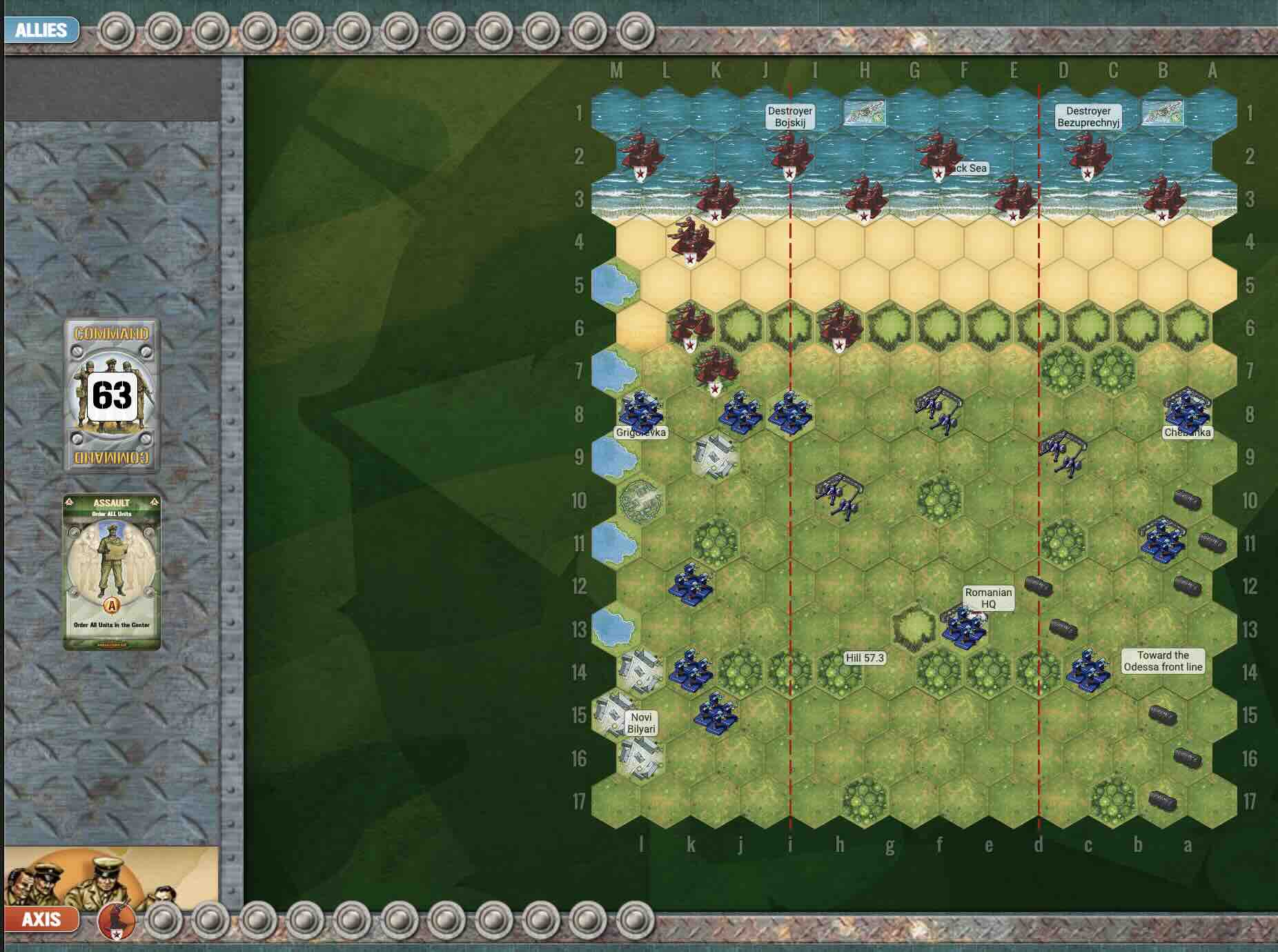
[Ukraine] Soviet raid on Grigorevka

Soviet Raid on Grigorevka

memoir 44 scenario Raid on Grigorevka

September 1941—Odessa’s under siege, and the Soviets are getting hammered by Romanian artillery. So what do they do? They go on the offensive—hard.

Captain Koren takes the lead at sea with the 3rd Naval Infantry Regiment, nearly 2,000 marines, while a small team of 23 paratroopers drops inland. The plan? Hit ’em from the front and the rear—paralyze their command, cut their lines, and blow those damned guns to hell.

Night of September 21st, the paratroopers jump near Hill 57.3—not clean, not pretty, but they get the job done. Took out a whole Romanian regimental HQ—with two dozen men. Meanwhile, Koren’s marines land at Grigorevka under a curtain of naval fire from the destroyers Bojkij and Bezuprechnyj, and they take those artillery batteries by storm.

By sunrise, they’re linking up with the 421st Rifle Division, and the Romanians? They’re pulling back—the 13th and 15th Divisions, thrown into reverse. That’s pressure off Odessa, and a big black eye for the Axis.

This wasn’t some massive Soviet steamroller. This was initiative, coordination, and guts. A rare joint strike—air, land, and sea—and it worked. Captain Koren didn’t wait to be hit—he hit first.

That’s how you win a war. Not by sitting in the trenches—but by getting out, striking hard, and making the enemy bleed where they thought they were safe.

~~ General Howitzer

12 VP’s

Card Balance:

Allies – 5

Axis – 4

Complexity:

4.5

Conditions:

Countryside

countryside

Context:

Historical

Location:

Ukraine

Year:

1941

Theater:

Eastern

Campaign:

Codename:

Summary:

Objectives:

12 VP’s, plus Objective Medals for Allies for the Romanian HQ, and each Artillery battery destroyed.

Battlefield:

Countrsyide  and beach in a deep breakthrough battlemap

Troops:

Allies (Soviet Union) – 14 Infantry, 2 Destroyers!

Axis (Romania ) – 10 Infantry, 3 Artillery


medal allies

🔥 Winning as Allies

1. Soviets, as Allies, do a six unit paradrop.  Drop them where you have the best set of cards to assist your attack.

Also, note that the paratroopers will not battle the first turn they are dropped, so they have to endure one round of enemy fire before they can attack.

2.  The Axis outnumber you on your right flank at the start of the game, and the three forward units are in strong defensive positions, which suggests attacking elsewhere.

3.  As Allies, you have two Destroyers at the start of the game.  Two factors affecting their performance are visibility and location.

Visibility:  Because of the night visibility rules, the Axis units may have time to move out of range of the ship guns before daylight arrives.

Location: This concerns the ability to get the Destroyers onto the border line so they have more flexibility on which section cards can activate them.

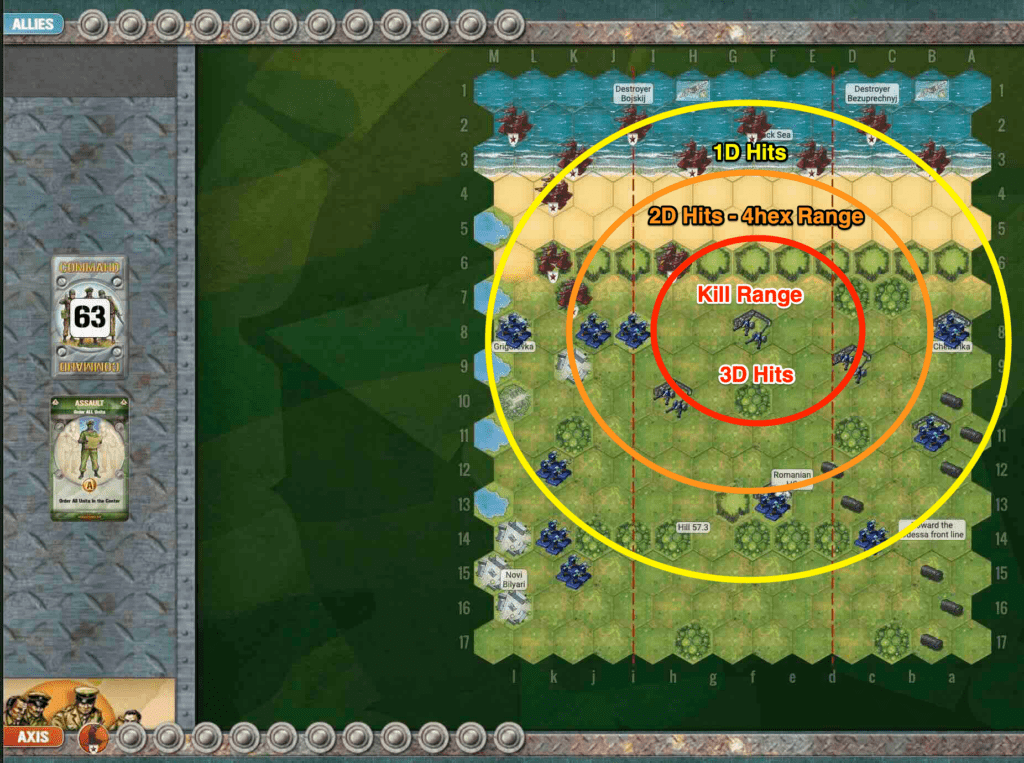
Once daylight arrives the Destroyers have a range of eight hexes, so their maximum firing range is row ten.  Of course, that is their maximum range, but their effective firing range (of 2D attacks), is actually row six.

4.  There is a Temporary Medal Objective at the Romanian HQ on row 13. If you keep pushing in that direction to keep pressure on the enemy, it should afford you some success.

5.  Each of the enemy Artillery is worth two! victory points, so target them when you can.

6.  Because the enemy has three very powerfully placed artillery, and you have a lot of artillery, your plan will have to be to so overwhelm the artillery that you are able to take them out with your superior numbers before they take you out with with their superior firepower.

7.  Possible Attack Vector: completely by-pass the territory controlled by the enemy Artillery when you do your para-drop.  Aim for the back of the battlefield around the Romanian HQ, and the town of Novi Bilvari. There are plenty of Infantry units to take out, while you wait for daylight to arrive, so that your Destroyers can engage with the Artillery batteries.

Big Picture Strategy:

1.  This is a Breakthrough game. 
The field of battle is very deep. It is more than likely your troops are not going to be placed where they need to be.  Therefore, all the section cards which allow you to attack in one section and then move units anywhere, are your friend.  In the beginning of the game it is actually as important to make use of cards that might have limited attack power (like 1 or 2), but allow you to move two units around.  This will allow you to get them into play.

2.  Nightime attack rules. 
The game starts in complete darkness, where you can only attack units that are next to you.  We know that daylight is definitely an advantage for the Allies, because once you reach full daylight, the power of the Destroyers begins to be felt, as they can reach out to row 10, and pummel you from above.  But what about Nightime settings from 2-5?  These are actually better for the Axis, as it allows them to use their Artillery and attack at a distance any of the Allied Infantry coming for them.  Because the Allied Infantry can move two hexes and still battle, they can very quickly get to the Artillery an overwhelm them.  So allowing some range attacks up to 3 hexes away is good for the Axis Artillery forces.  (See pic2 above)

medal axis

🔥 Winning as Axis

1.  Your first defensive objective is to respond to wherever the Allied paratroopers happen to land.  Respond immediately with available Infantry and Artillery to address the threat.

2.  Bring your reserve units into play as soon as you can by moving the rear units forward on the map.

3.  Because each Artillery unit is worth two! Medals, you will need to protect them in some way.  Either move them back from the Destroyers’ range, or protect them from Infantry attacks by bringing your own Infantry into play.

4.  The enemy forces are elite, so they can move two hexes and still attack. So be aware of this so that a single Infantry unit doesn’t get surrounded and destroyed.

5.  It is going to take an average of six turns before the daylight arrives and the Destroyers are fully activated to row 10. This will give you time, if you want to, to move your Artillery further back on the battlefield out of their range.

Battle Reports

18
BR - Soviet Raid

Author:

Days of Wonder

Pointe du Hoc – Offensive (near) Perfection!

Offense - 99% - Defense - Zero

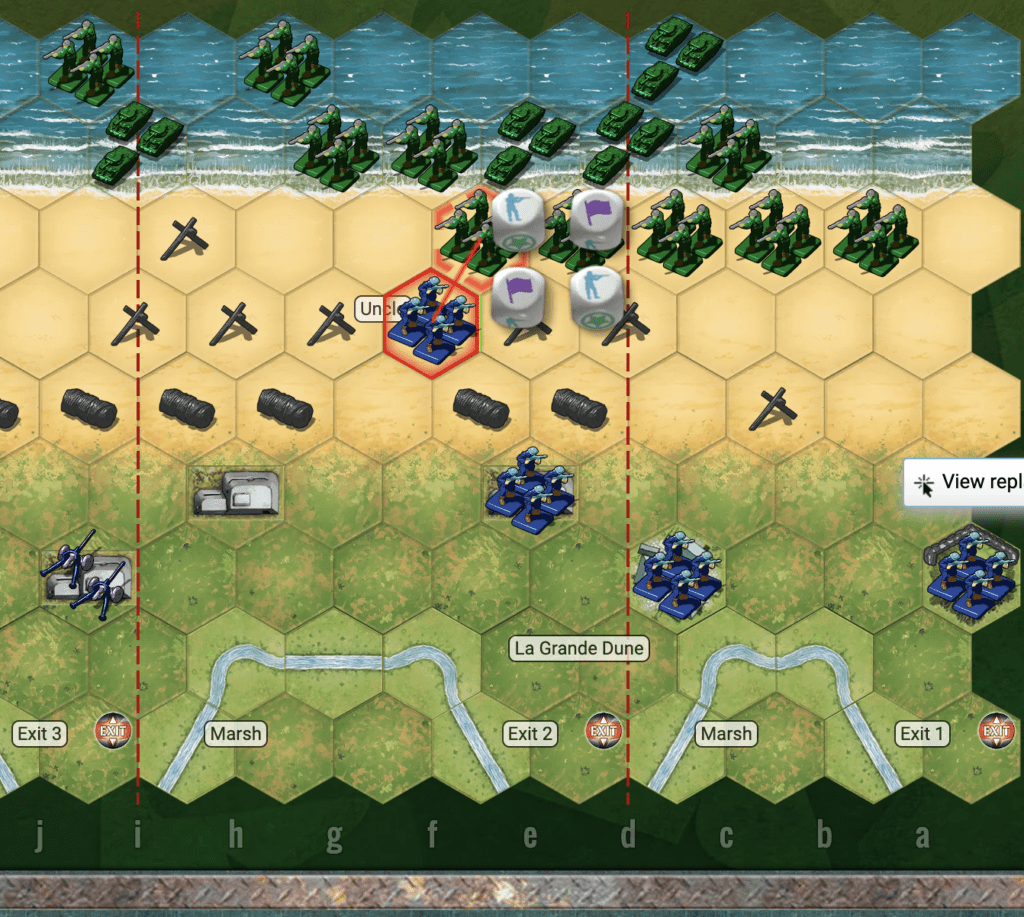
This is something that has never happened to me before.  I played a scenario ( Pointe du Hoc), and the enemy only hit me once the entire game.  I scored all four medals and lost only one infantry figure.  


Here is the final scene:

As you can see, here is the final action, and a Barrage card that I had been saving for just the right moment. I reasoned that before I engage the troops against a well-defended enemy in the bunker, I should hit them once and hopefully reduce their strength.  But the dice roll was pretty lucky – to say the least!  (In reading the Dice Percentages section (https://generalhowitzer.com/strategy-dice-percentages/ ) the odds are only 7% of rolling a complete wipeout of four infantry who have retreat available to them.)

And that ended the first round of the engagement.  Never happened before. And of course, if it is ever going to happen it will be on a short scenario like this with only 4 medals.

What I did to prepare for this engagement is assemble all of my troops under the ridge on the left half of the board.  I did not breach the ridge until I was safely away from the Artillery on the right, and I had a perfect set of cards (Assault, Infantry Assault, Move Out!, and then section cards for just left and center).

Then I was good to go, and things paid off for me, plus a good dose of luck.

Q: What do you think? Has something like this happened to you?


Juno Beach – The Kind of Dice I Want

When you are defending as Axis in a beach scenario, if you can’t totally destroy the enemy in a dice throw, the next best thing is to throw a Flag to force a retreat.  

Like this:

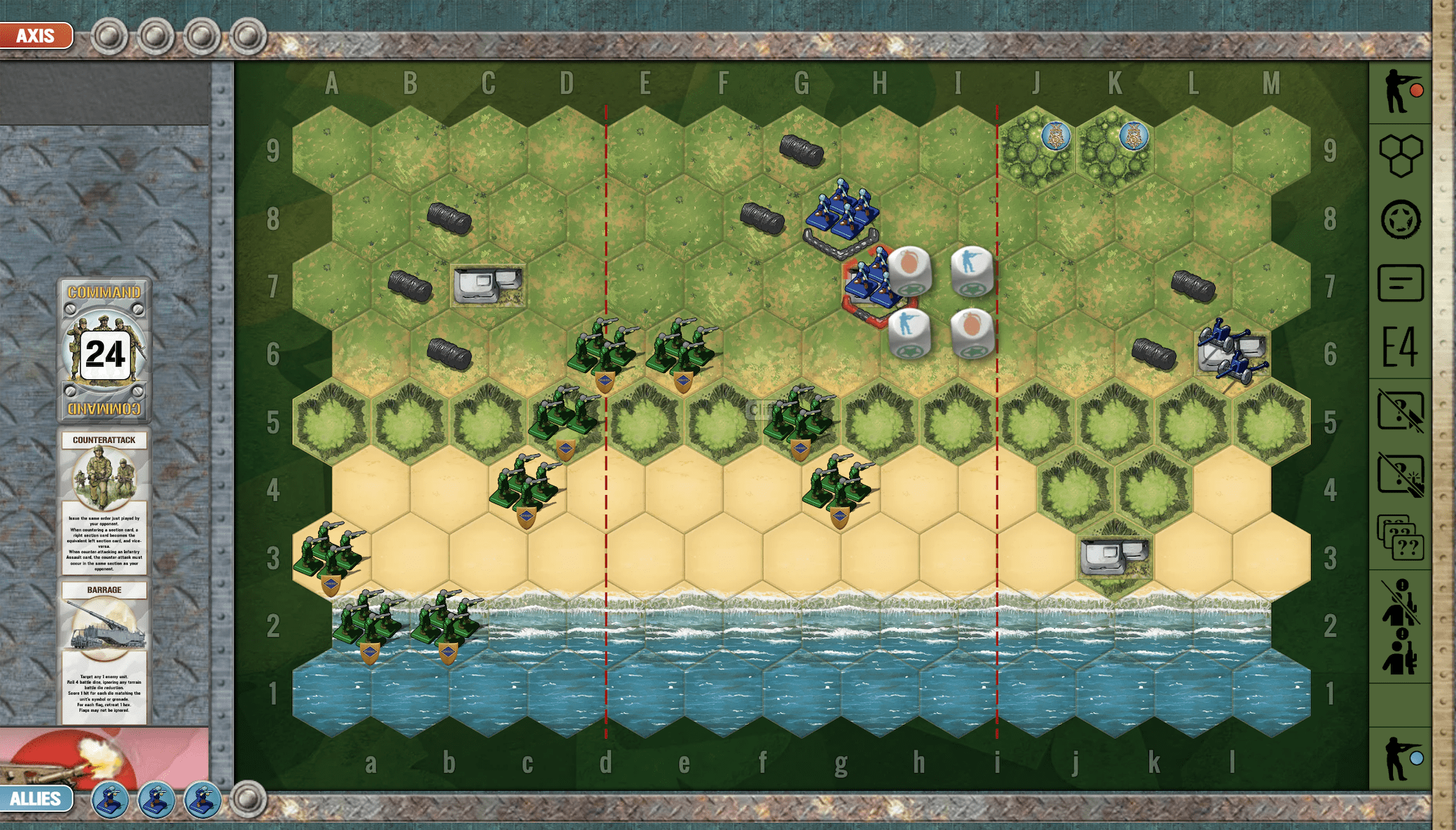
Juno Beach

This dice throw which was limited to only 2D, had one Infantry hit, and one Flag; the perfect combination.  Degrade their forces, and then push them further back onto the beach, to give you more time to hit them again.

Afterall, for beach scenarios it is all about slowing down the Allied advance.  And in this case, (if you can’t get a hit, then at least) Flags are your friend!


Agree or not?