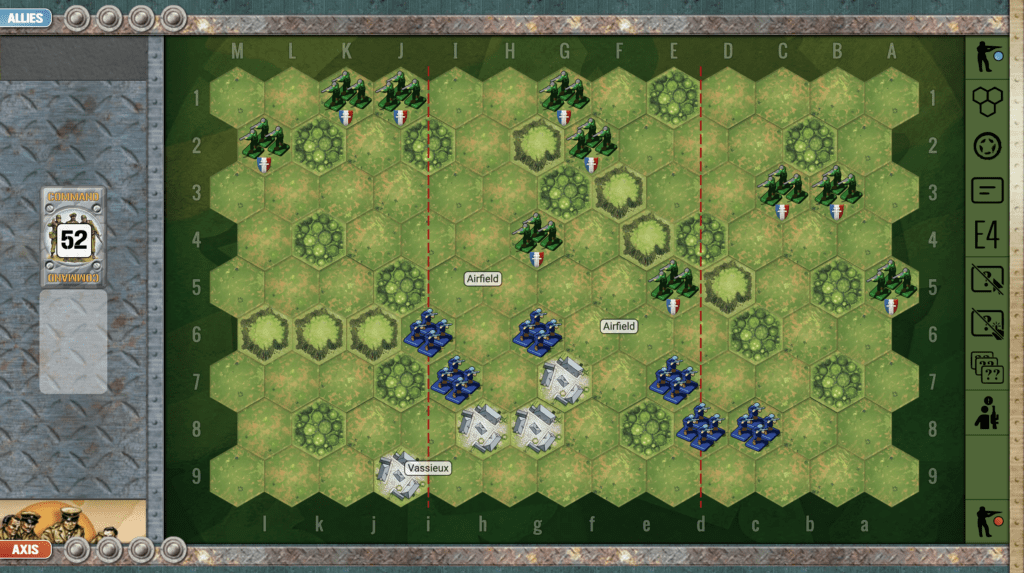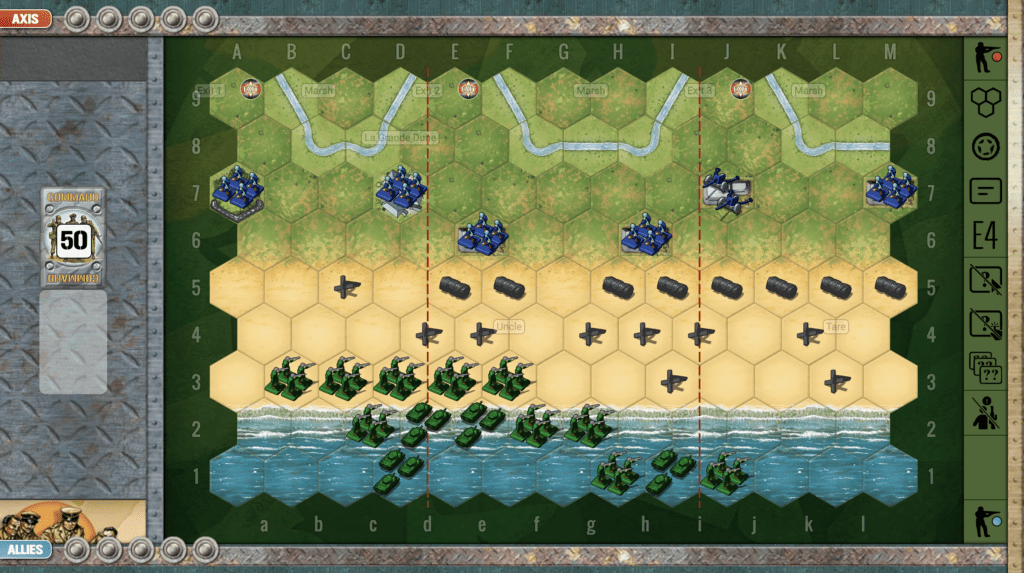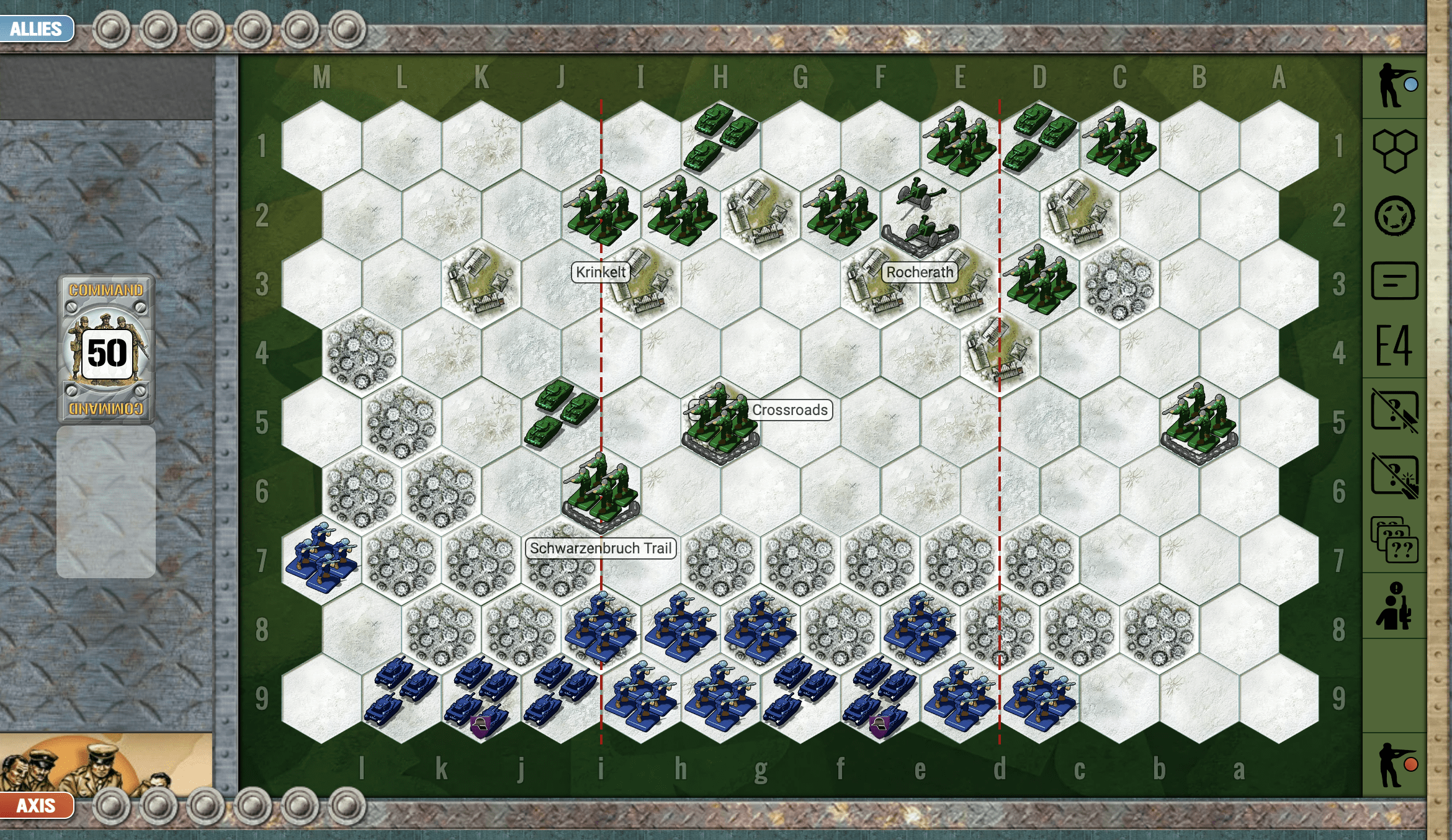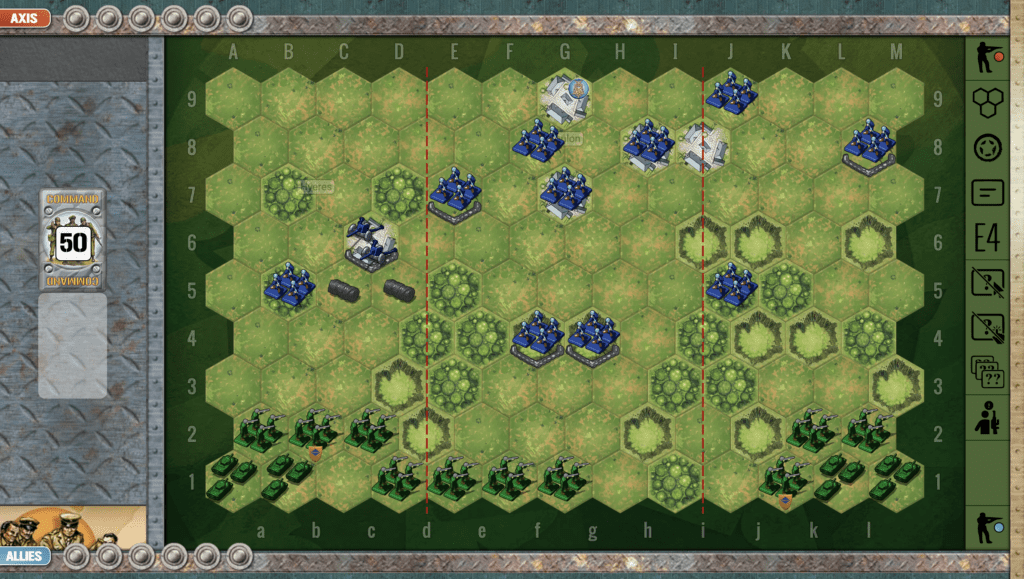
Toulon

Toulon

Scenario_Toulon_start_Allies

The Battle of Toulon (August 20–26, 1944) was a key engagement during the Allied invasion of southern France in World War II, as part of Operation Dragoon. The objective was to liberate the strategic port city of Toulon, essential for supplying the advancing Allied forces.

Now here’s a fight that showed the grit of France reborn. General de Lattre and his men from the French Army of Africa hit Toulon like a hammer on an anvil. The Germans had dug in—guns, bunkers, street traps—you name it. Every block was a battlefield. But the French didn’t flinch. They fought yard by yard, with their artillery pounding and the Navy blasting from offshore.

Six bloody days later, the tricolor flew over the port, and the German garrison laid down its arms. Toulon was free, Marseille followed, and the Allies had their supply lifeline to drive deeper into France. It wasn’t just a victory of arms—it was France standing up, shoulder to shoulder with her liberators, and proving she still had fire in her soul.

~~ General Howitzer

6 VP’s

Card Balance:

Allies – 6

Axis – 4

Complexity:

4

Conditions:

Countryside

Context:

Historical

Location:

France

Year:

1944

Theater:

Mediterranean

Campaign:

Codename:

Operation Dragoon

Summary:

Objectives:

6 VP’s, plus the City of Toulon

Battlefield:

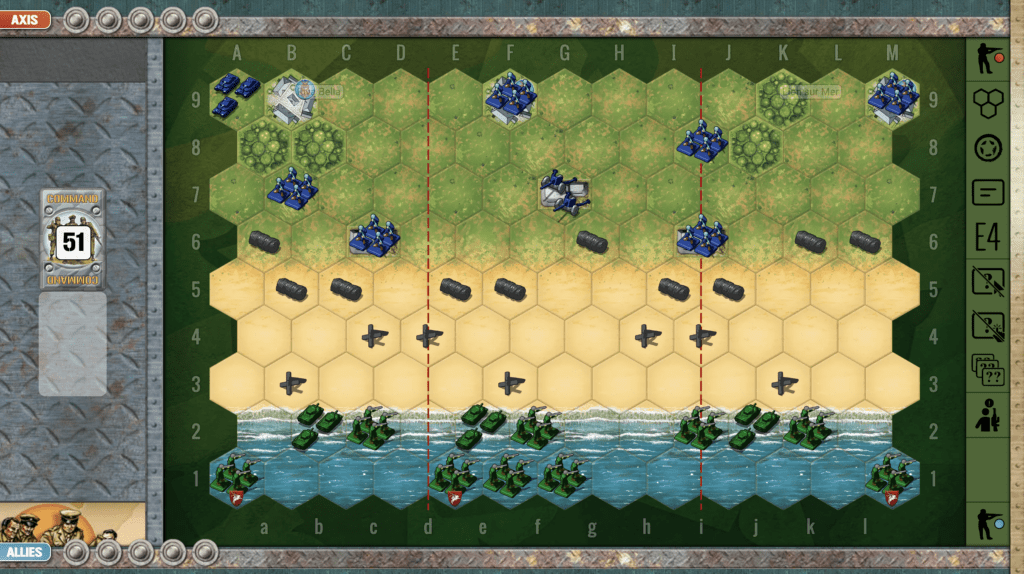
Because of the two sets of thick hilly forests cutting across the left and right flanks at an angle, it limits movement of both forces from section to section. Thus proper placement of troops in the early moves of the game can have a dramatic effect on its final outcome.

Troops:

Allies – 10 Infantry, 4 Armor

Axis – 10 Infantry, 1 Artillery


medal allies

Allied Strategy:

1.  The key objective for the Allies is to capture the town of Toulon. If the Allies occupy three of the town hexes at the end of any turn, they win immediately. So, besides the need to simply destroy Axis units, the Allied player should keep up a relentless push toward the center section which contains Toulon. This will force the Axis player to not only defend individual hexes, but also to move troops toward defending the center, thus dislodging some from behind sandbags.

2. The most imminent need for the Allies is to get their infantry away from the back wall and into the fight against the two sandbagged hexes right in front of them. Any retreat flags thrown by the Axis powers will increase odds of a hit from 50% to 67% against the Allies.

medal axis

Axis Strategy:

1.  Because the Allies have four Armor units, the Axis are outnumbered. So the scenario is primarily defensive. Given the right cards, some offensive operations may be possible. But historically, the Germans had to eventually pull back, so be aware, and be careful.

2.  Your forward infantry in the center section may get overwhelmed by the Allies, so you will want to get in your hits while you can. If appropriate, you may consider a strategic retreat to let your infantry fight another day.

3. Because you are outnumbered in terms of forces, your best chance of scoring hits will be to remain in your defensive positions and hit the enemy as they approach.

4. Be sure to protect the four hexes of Toulon, for should the enemy gain control of three hexes, you will lose instantly.

Memoir 44
Classic Battle Reports

(percentage of Allied victories):

66%

27
BR - Toulon

Author:

Days of Wonder

Link:

Sword Beach

Sword Beach

Scenario_SwordBeach_start_Allies

June 6th, 1944—Sword Beach. The British came in swinging on the eastern flank of Normandy, and they made it count.

Under General Miles Dempsey, the 3rd Infantry Division, backed by tanks, naval guns, and airborne troops, hit that beach like a battering ram. Their mission? Take the beach, punch inland, link up with the Canadians on the left and airborne boys on the right, and grab the city of Caen.

They ran headfirst into resistance from the German 716th Infantry, dug in and waiting. But it didn’t matter—Allied firepower and planning turned those bunkers into scrap. The Brits cleared the beach, pushed several miles inland, and set up a strong foothold by nightfall.

They didn’t take Caen on Day One—but they owned Sword Beach, and that was the damn prize. That success helped anchor the whole eastern flank of the invasion and gave us the momentum we needed to crack open Nazi-occupied France.

Sword Beach was no walk in the park—but it was a well-executed, hard-hitting assault that helped open the gate to Western Europe.

~~ General Howitzer

5 VP’s

Card Balance:

Allies – 5

Axis – 4

Complexity:

2

Conditions:

Beach

Location:

Normandy

Year:

June 5th, 1944

Theater:

Western Front

Campaign:

D-Day Invasion

Codename:

Overlord

Summary:

Like all Normandy beach invasions, this is a battle between well-defended but overwhelmed Axis forces who are trying to slow down the Allied onslaught.

Objectives:

This is a five VP game with three town hexes as Objective Medals. The goal for the Allies is to get to the town VP Objective hexes ASAP, and for the Axis it is all about slowing down the Allied advance enough to get a few knockout Tactic cards against them.

Battlefield:

Sword Beach has no hills or bluffs to slow the Allied advance off the beach

Troops:

Axis –
6 Infantry,
1 well-placed artillery in the center of the field,
1 badly positioned armor unit stuck in the corner behind a forest.

The Allies –  9 Infantry,  3 Armor

Allied Strategy:

1.  As with all beach scenarios, the challenge is for the Allies to get off the beach as quickly as possible.

2.  The three! objective medals in the towns against the back border represent a clear and compelling goal for the Allies. If the Allies can maximize their movement cards off the beach and blitz past the defenders for the town hexes, victory can be had rather quickly.

3.  The Axis artillery in the center of the battlefield is very dangerous and unless the Allies have an excellent set of cards, should not be attacked. The best strategy – as indicated by Alexis Beuve in the Memoir 44 Tactics & Strategy Guide is to attack on the flanks in order to avoid the devastating pounding from the centrally placed artillery.

4.  You have three Elite Infantry which are capable of moving two hexes and still attacking. This is imminently valuable for a beach assault. They all start way back in the ocean hexes, but if you take the time in the early gameplay to get them moved forward, they will help you to quickly approach and attack the enemy forces.

5.  Possible Attack Vector:  split your forces in a “V” formation, and send half to the left, and half to the right, so that you can avoid the enemy Artillery in the center sector.  It is set so far back from the beach that if you try to assault it with your Infantry, they will get decimated before they get close to it, so unless you have a Bombard or Airpower card, it is best to avoid it. 

Axis Strategy:

1. The Axis armor in the corner is hidden away and of no use. Therefore, as early as possible, the Axis needs to move the tank into the forest hex, where it will have to stop for one turn. But from there it can make its way out to the battlefield. The decision as to whether to place the armor in the center section or the right flank, will depend in part on where the Allies choose to deploy their forces. But once this armor gets out the Axis player should be able to score one or two VP’s, especially if he catches the Allied forces while they still have their back to the water, resulting in some no-retreat hits.

2. Use your artillery as much as possible, before the enemy takes it out with Barrage or Air Power, or an Infantry Assault. This will be one of the Allies’ early objectives. So use it well while you have it.

3. Should you pull your infantry from the back row where they are defending Objective Medals? Early on, if you have the opportunity, they could bolster your forces which are trying to prevent the Allies from coming off the beach. But once the full scale Allied invasion begins to form, they will be sitting ducks in the open terrain, and should be pulled back to guard a Medal Objective.

Battle Reports

(percentage of Allied victories):

46%

16
BR - Sword Beach

Author:

Days of Wonder

Link

St. Vith, Ardennes

St. Vith

Scenario_StVith_start_Axis

The Battle of St. Vith, fought in December 1944 during the Battle of the Bulge, was a critical engagement on the Western Front in World War II. Located in Belgium, St. Vith was a key road junction that the German Army sought to capture to facilitate their advance into the Ardennes.

Men — what you saw at St. Vith was grit forged in steel. Outnumbered, outgunned, and half-frozen, those boys of the 106th Infantry and 7th Armored stood toe-to-toe with the damned 5th Panzer Army and said, “You’ll move through us only over our dead bodies.”

They fought for every yard of ground, every shell hole and hedgerow, and by God, they made the Germans pay for every inch. Their stand wrecked the enemy’s timetable, blunted his spearhead, and bought the time our armies needed to gather their strength for the counterblow.

When they finally withdrew on December 23rd, it wasn’t defeat — it was a tactical victory paid in blood and courage. St. Vith was no retreat; it was a wall of American willpower that helped break Hitler’s last gamble in the west.

~~ General Howitzer

6 VP’s

Card Balance:

Allies – 4

Axis – 5

Complexity:

4

Conditions:

Countryside

Context:

Historical

Location:

Belgium

Year:

1944

Theater:

Western Front

Campaign:

Ardennes

Context:

Historical

Summary:

Objectives:

6 VP’s

Battlefield:

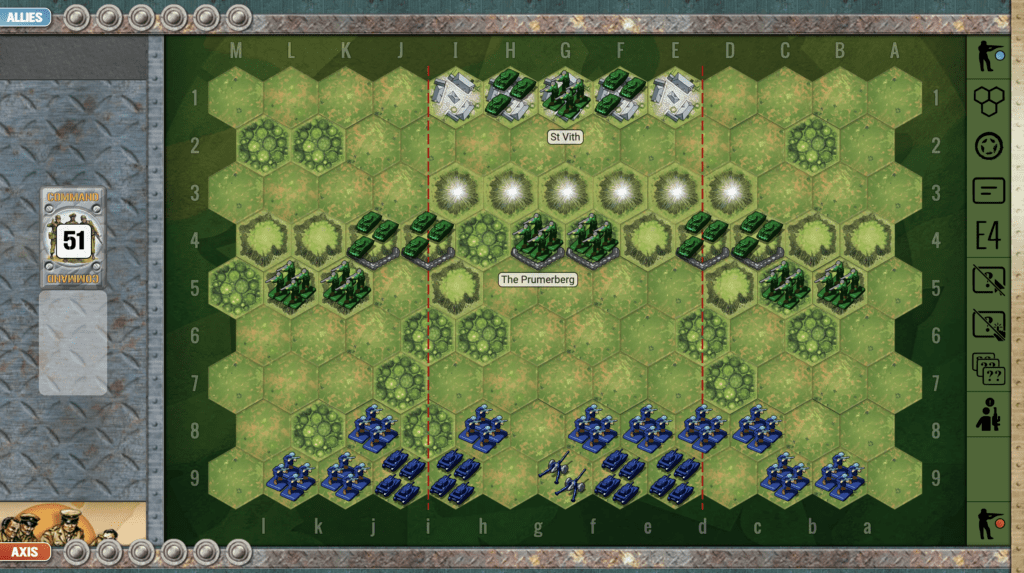
The St. Vith scenario has a large central battlefield surrounded by forests blocking access to each of the flanks, and a long ridge of impassible mountain hexes (the Prumerberg) across the back of the field. It makes for intense warfare of armor, infantry and artillery battling it out for dominance in the center.

Troops:

Allies – 7 Infantry, 6 Armor

Axis – 10 Infantry, 4 Armor, 1 Artillery

Allied Strategy

1. The Allies are on the defensive here, receiving only 4 cards vs. the Axis’ 5 cards. You have sandbags; use them, and don’t be too quick to move out from them.

2. The center section with the impassable mountains behind and the enemy artillery in front is kind of a kill-zone unless you are prepared for it. Your best assault tactics may be found on the flanks.

Axis Strategy

1.  Your forces are bunched together making for many no-retreat situaions. Move your Infantry into the woods as soon as possible.

2. Note that the enemy has their backs to the wall with the impassable mountains behind them.  Once your infantry are deployed in the woods, use your armor and artillery to hit any forces in the center section. Most of your hits will be enhanced by another 17% because of the no-retreat situation in which the Allied forces find themselves.

3.  Note that although the Allies have a 6-4 armor advantage, their two armor in the back center section will be slow to get into the action. If you can hit or eliminate one or more of the forward armor units before the others come into play, it will even out the battle for you.  

Battle Reports

(percentage of Allied victories):

45%

20
BR - St. Vith

Author:

Days of Wonder

Link:

Securing the Flank

Securing the Flank

The battle “Securing the Flank” near Caen, France, was part of the Allied efforts during the Normandy Campaign of World War II in the summer of 1944. Following the D-Day landings, the Allies sought to expand their beachheads and secure strategic positions to enable further advances into German-occupied France.  The fighting around Caen was marked by intense battles in open fields, villages, and bocage (hedgerow) terrain, which slowed Allied progress and caused heavy casualties. Despite these challenges, the Allies ultimately succeeded in securing the area, paving the way for the liberation of Normandy and the advance toward Paris.

5 VP’s

Card Balance:

Allies – 4

Axis – 5

Complexity:

3

Conditions: 

Countryside

Location:

France

Year:

1944

Theater:

Western

Campaign:

Normandy Invasion

Summary:

Objectives:

5 VP’s, including two temporary Medal Objectives

Battlefield: 

The center of this battlefield has a range of hills facing a three hex town with a Objective medal for the Allies. Control of the center will determine success in this scenario.

Troops:

Allies – 9 Infantry, 4 Armor

Axis – 7 Infantry, 3 Armor, 1 Artillery

Allied Strategy:

1.  The Allies have a temporary medal objective in the town of Fontenay le Pesnel in the top center section.  So grab the hilly ridge just below it, to launch the attack. As you attack the Axis forces around the battle field, you can continue to push up into the city, forcing the enemy to defend on multiple fronts.

2.  Your two infantry in the right section are open and undefended. Get them into the forest hexes as soon as you can.  The Axis have a couple of armor stuck behind hedgerows so you have a bit of time to secure your forces.

3.  Because of the enemy artillery, the left flank is your weak flank. The large open countryside is dangerous territory for your troops to try to cross with the enemy infantry sandbagged in the woods, combined with the artillery.

Axis Strategy:

1.  Your armor in the lower left flank needs to get into action as soon as possible. It will take one move just to move them into a position where they can respond to enemy threats. Do that at your first opporunity.

2. Once you have your armor in place on the left flank, your next concern is your right flank, which can become overwhelmed if the enemy is aggressive and has the right set of cards. 

3.  Move your artillery on your right flank forward when you can.  This will give you 2D attack on the front two hexes of the center hill.  This will mute the Axis attack against your fortified infantry in the center.

4.  Protect the city of Fontenay le Pesnel.  Do not let the enemy troops get close enough to hide in the city.  If they control two hexes, you lose the medal to them. 

15
BR - Securing the Flank

Author:

Days of Wonder

URL

Saverne Gap, Vosges

Saverne Gap

scenario_SaverneGap_start_Allies

Listen up, soldiers. The Saverne Gap is the low door through the Vosges—and the key to Strasbourg. On 21 November, XV Corps under Haislip hit the line at Phalsbourg and started prying that door open. While our infantry pressed the pass, Leclerc did exactly what I like—speed and audacity—splitting his 2e DB into two hard-driving task forces: one swinging north via La Petite-Pierre, the other knifing south through the woods by Dabo. They struck Saverne from both flanks, and a southern column punched in from the west, climbing to the Gap and rolling the defenses from behind. The enemy fought, but without depth or reserves you can’t stop a three-pronged hammer. Result: Saverne falls, the hinge breaks, and the road to Strasbourg yawns wide.

Lesson: find the gap, hit it fast, hit it twice, and exploit without blinking. Keep moving—because momentum, not caution, wins cities and ends campaigns.

~~ General Howitzer

5 VP’s

Card Balance:

Allies – 6

Axis – 4

Complexity:

4

Conditions:

Moutaneous Countryside

Location:

France

Year:

1944

Theater:

Western Front

Campaign

Codename

Summary:

Because of the impassable mountains, Saverne Gap is almost like three separate battles taking place.

Allied Strategy:

1. As Allies, there is very little opportunity to move troops from one section to another, so you need to watch your tactics carefully and be careful with your attack.

2. One possible opportunity for attack is up the center, if you have the right combination of cards, such as Infantry Assault, you goal is to quickly overwhelm the first town in your way. While they enemy controls that town they can force you back against the wall and score some extra hits with retreat flags. The wire bales in front of the town will definitely decrease your attacking power, but with two or three good center section attack cards, you will eventually be successful. From there, your forces will be able to spread out a bit for the attack against the forces defending town of Saverne.

3. Your right flank will be the most difficult one to maneuver through. With the tight quarters and the enemy protected in a town and forest hex, it will be difficult for your tanks to succeed agains them. The tanks can only fire with one dice at a time. And you only have one infantry force to attack the town and forest hexes. If you can lead with your infantry, they will be more successful by being able to throw two dice at a time for each close assault attack.

4. Watch your card play, and when you get the right combination of special Combat cards, use that as the basis for your decision of which section to pursue your victorious attack.

5.  With a number of left flank cards, you can attack the infantry in the woods and town at a distance.  Degrade and eliminate them, and then move in to attack the town of Saverne itself from the flank, surprising the enemy, just as they did historically.

Axis Strategy:

1. Note that because the mountains are impassible, you will not be able to fire your artillery at the outer sections.

2. The center section will be the most important to guard as the town of Saverne represents one VP. If you can delay the advance of the infantry up the center, you may be able to wait for the right combination of cards to assist you with the task of preventing their forward advance.

3. Keep your forces in the forests and town hexes and never leave them. Just stay safely hidden inside as you continuously attack them relentlessly degrading their attacking power.

Battle Reports

(percentage of Allied victories):

46%

20
BR - SaverneGap

Author:

Days of Wonder

Link:

Sainte-Mere-Eglise

Sainte-Mere-Eglise

scenario_StMereEglise_start_Allies

“Listen up! On June 6th, 1944—D-Day—the boys of the 82nd Airborne Division as part of Operation Neptune, jumped out of those planes and straight into history. Sainte-Mère-Église—that was the prize. Those paratroopers were dropped right on top of the town, some hanging from steeples and some dropping straight into Germany’s lap!

But those boys didn’t flinch. They fought like hell, street by street, house by house, until Sainte-Mère-Église was ours. That town was the first piece of France to taste freedom again, and by God, it stayed that way.

They didn’t just take a town—they choked off German reinforcements and cleared the way for the boys coming in at Utah Beach. That’s how you make a landing stick, boys—you seize the ground, hold it like a bulldog, and keep moving forward! Sainte-Mère-Église was just the start of the march that would bring Hitler’s Reich to its knees!”

~~ General Howitzer

4 VP’s

card

Card Balance:

Allies – 5

Axis – 4

Complexity: 

2

Conditions:

countryside

Location:

France

Year:

June 6th, 1944

Theater:

Western Front

Campaign:

Normandy Campaign

Codename:

Operation Neptune

Summary:

The option to drop paratroopers in either of the three sections at the start of the battle makes for a very interesting strategy, and a battle that varies quite a bit from game to game. Is there a better choice between dropping the paratroopers in the center section, or left or right flank? It comes down to the cards in your hand. So before you do the para-drop, check your cards, and determine where your most likely result of overwhelming force will occur. Combine a strong set of cards, with the presence of 3 or 4 additional infantry, could turn the tide in favor of the Allies.

Objectives:  4 VP’s

This is a four VP game, so there it is fast, and there is no room for mistakes. It is not so much about strategic positioning; it is about hitting the enemy hard and fast.

Terrain:

Countryside with forests on each side of the town of Mere-Eglise in the center section.

Troops:

Allies – Infantry, 6 -10, depending on the success of the paradrop.

Axis – 9 Infantry, 1 Armor

medal allies

Allied Strategy:

1. Check your cards before you drop. Then use the drop to give even more power in your strong section. However, note that there is no guarantee that all four paratrooper units will survive the drop. You may end up with half of the force you expect. And you must be prepared for that contingency, should you drop them in the midst of enemy forces. A good commander prepares for this eventuality.

2. Your center section infantry should be ready to deploy in either direction, depending on enemy actions.

3. If you can maximize your firepower in one section, and quickly destroy the enemy, then you may have enough time and movement to bring your forces to strengthen the attack in the next section.

4. The Allies control five cards to the Axis four, so the principles of flexibility and responsiveness are on your side.

medal axis

Axis Strategy:

1.  You are going to have to respond to the surprise attack by the Allies before you can do much else. But as soon as you have a chance, move your Armor out into the battle.

2.  You will have superior forces on whichever side they did not drop into, so do what you can to get your four kills before their forces overwhelm you. Your armor will be essential to the win.


Battle Reports

(percentage of Allied victories):

62%

26
BR - Eglise

Author:

Days of Wonder