Payback! – Operation Bagration, Phase 1

Payback! - Operation Bagration, Phase 1

Scenario_Toulon_start_Allies

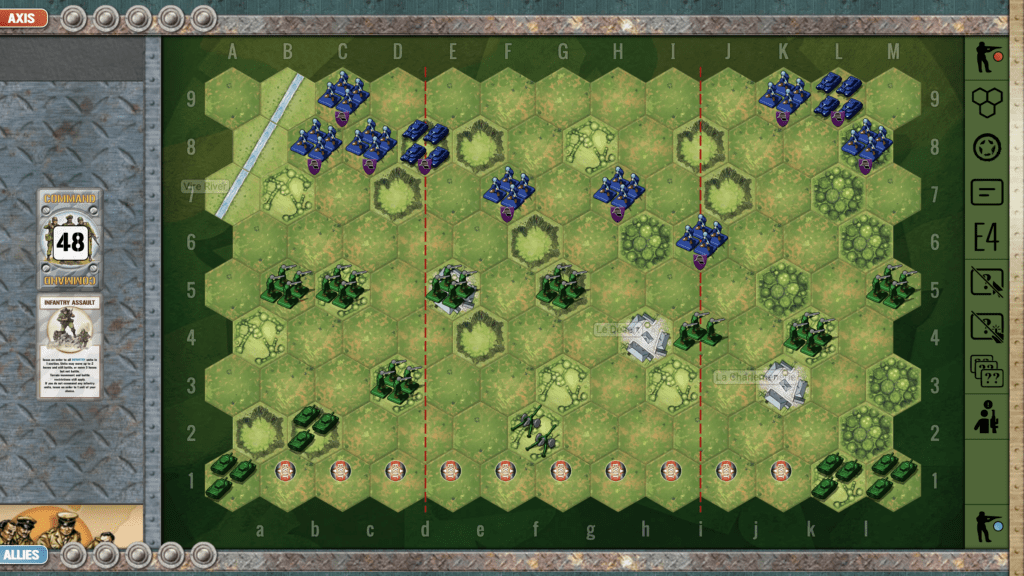
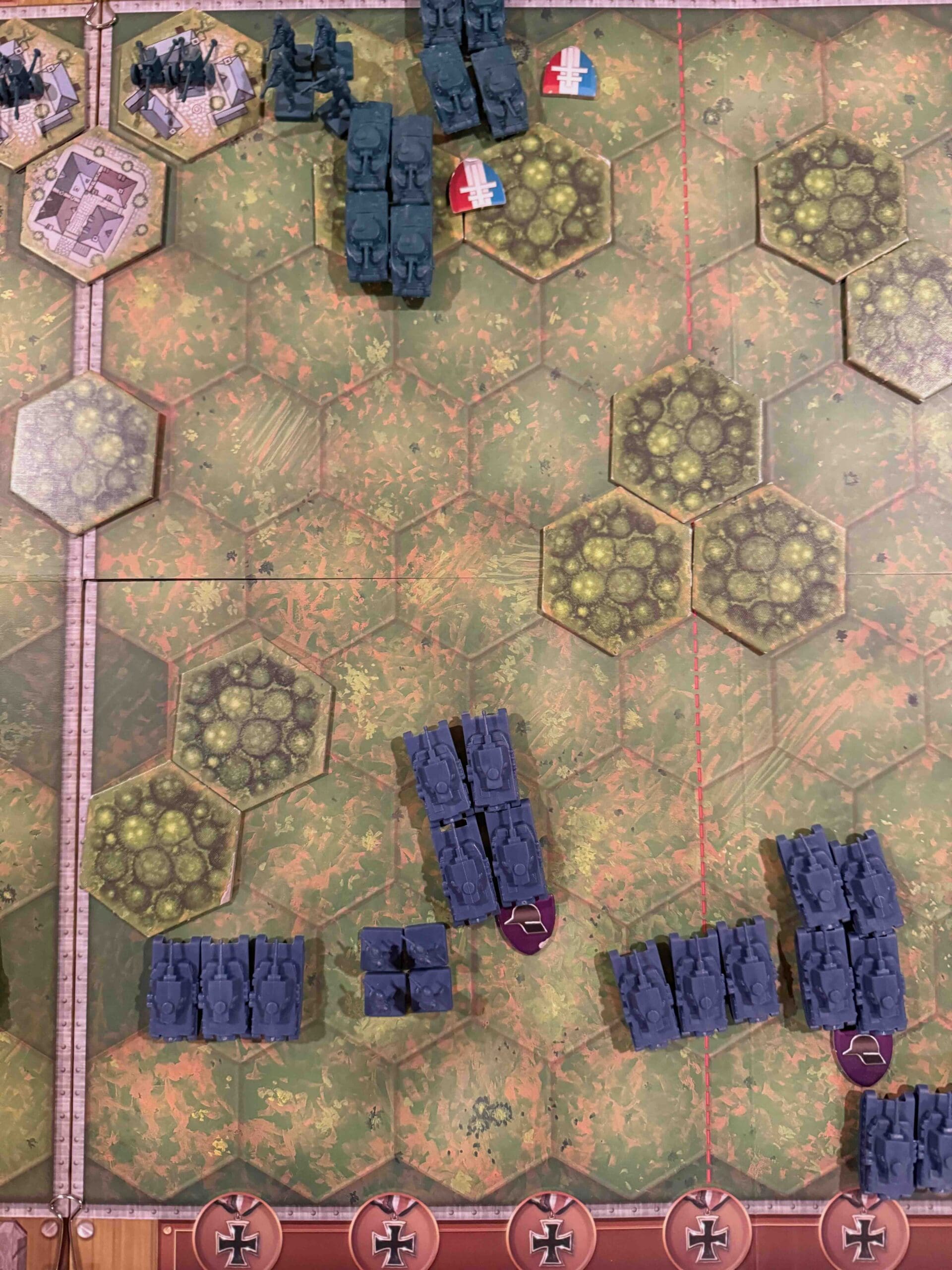
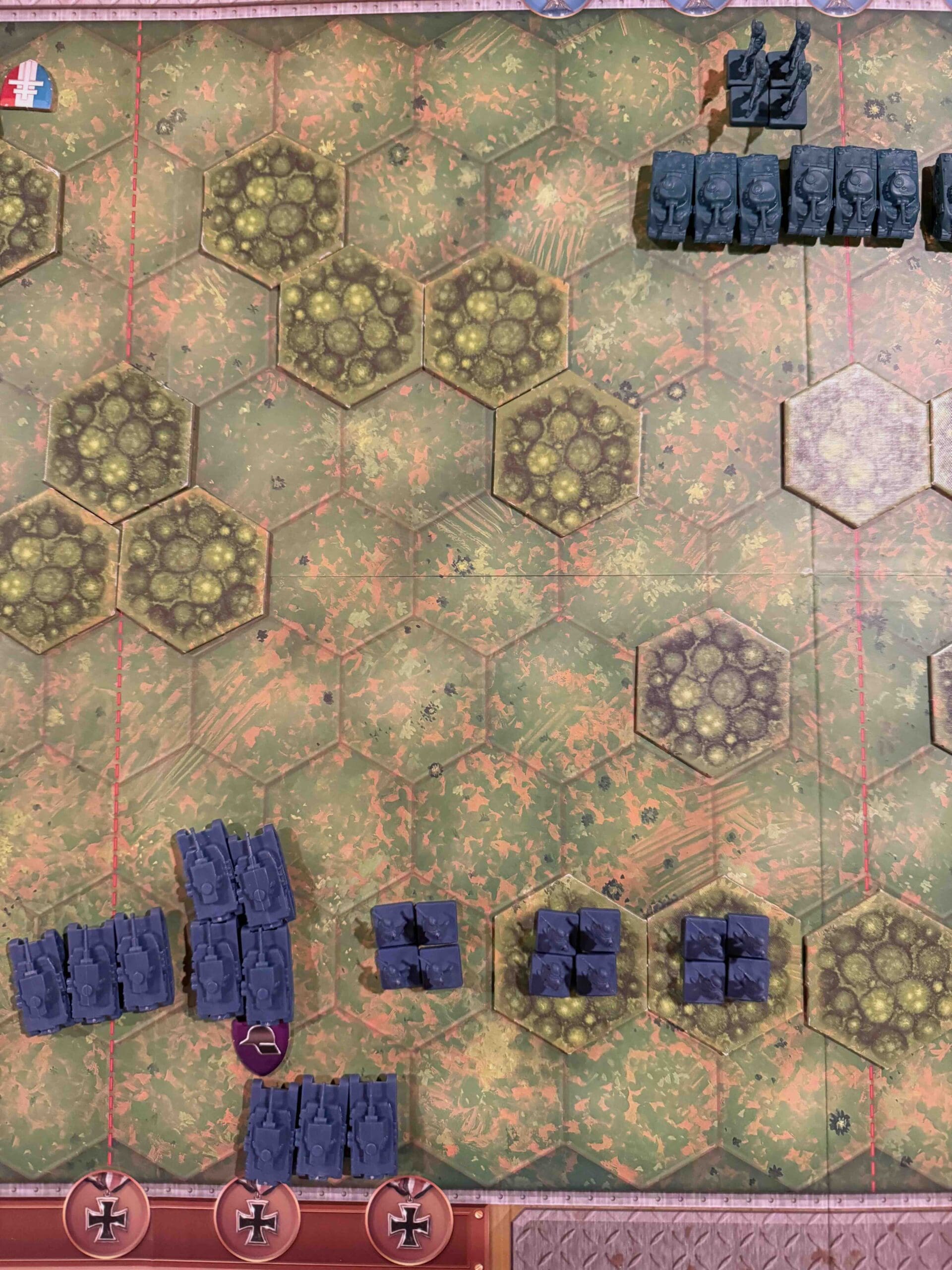
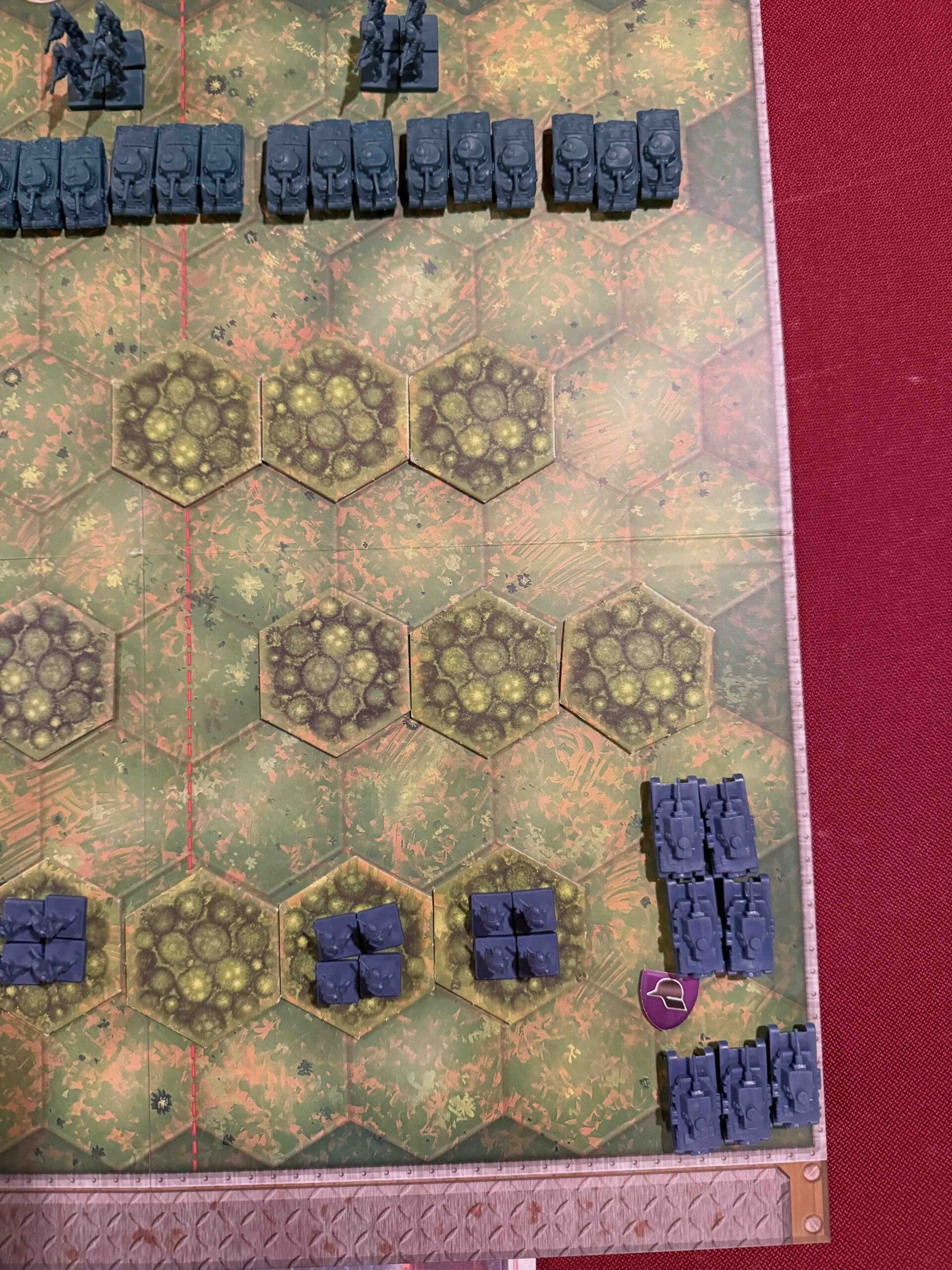
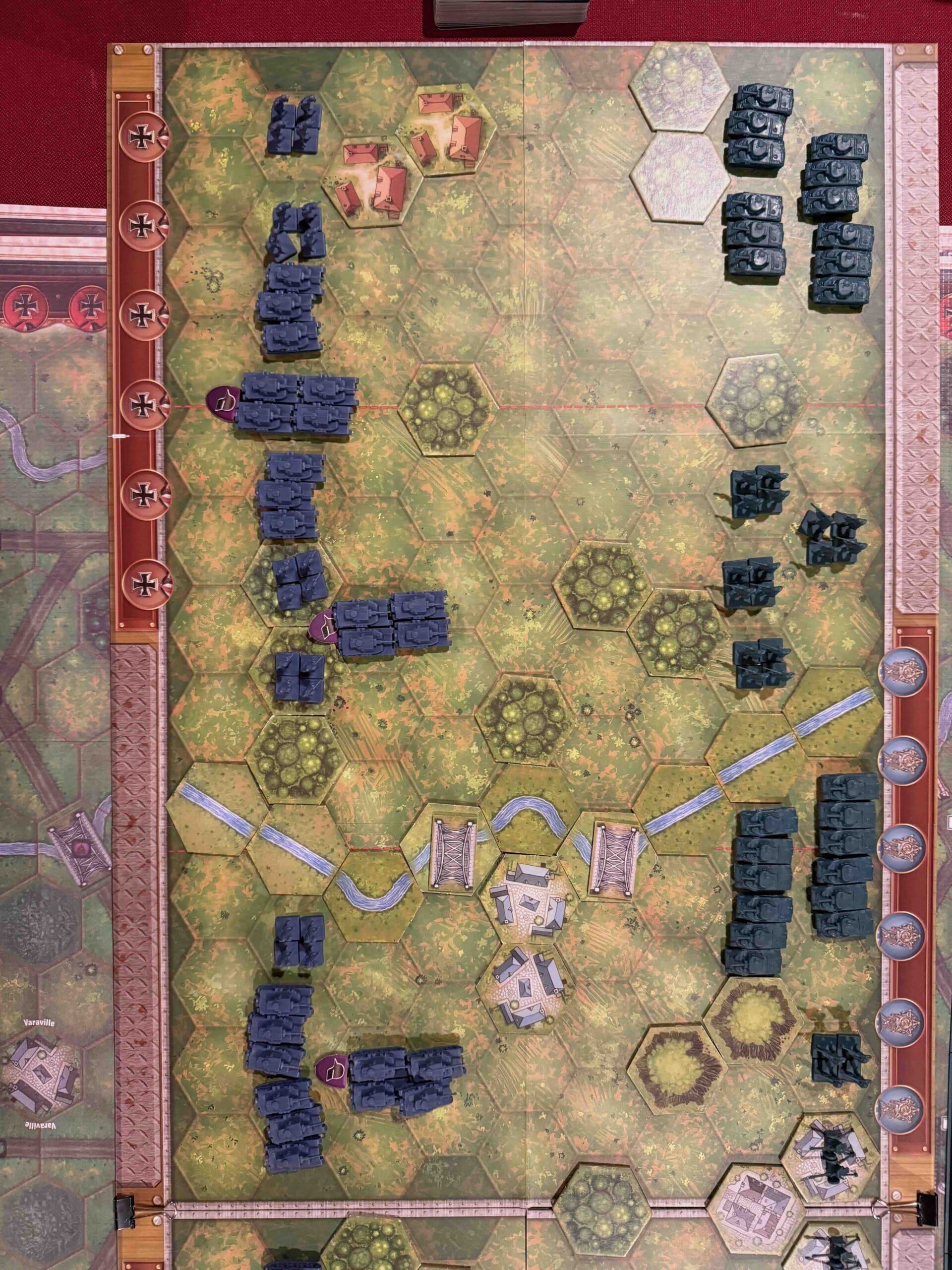
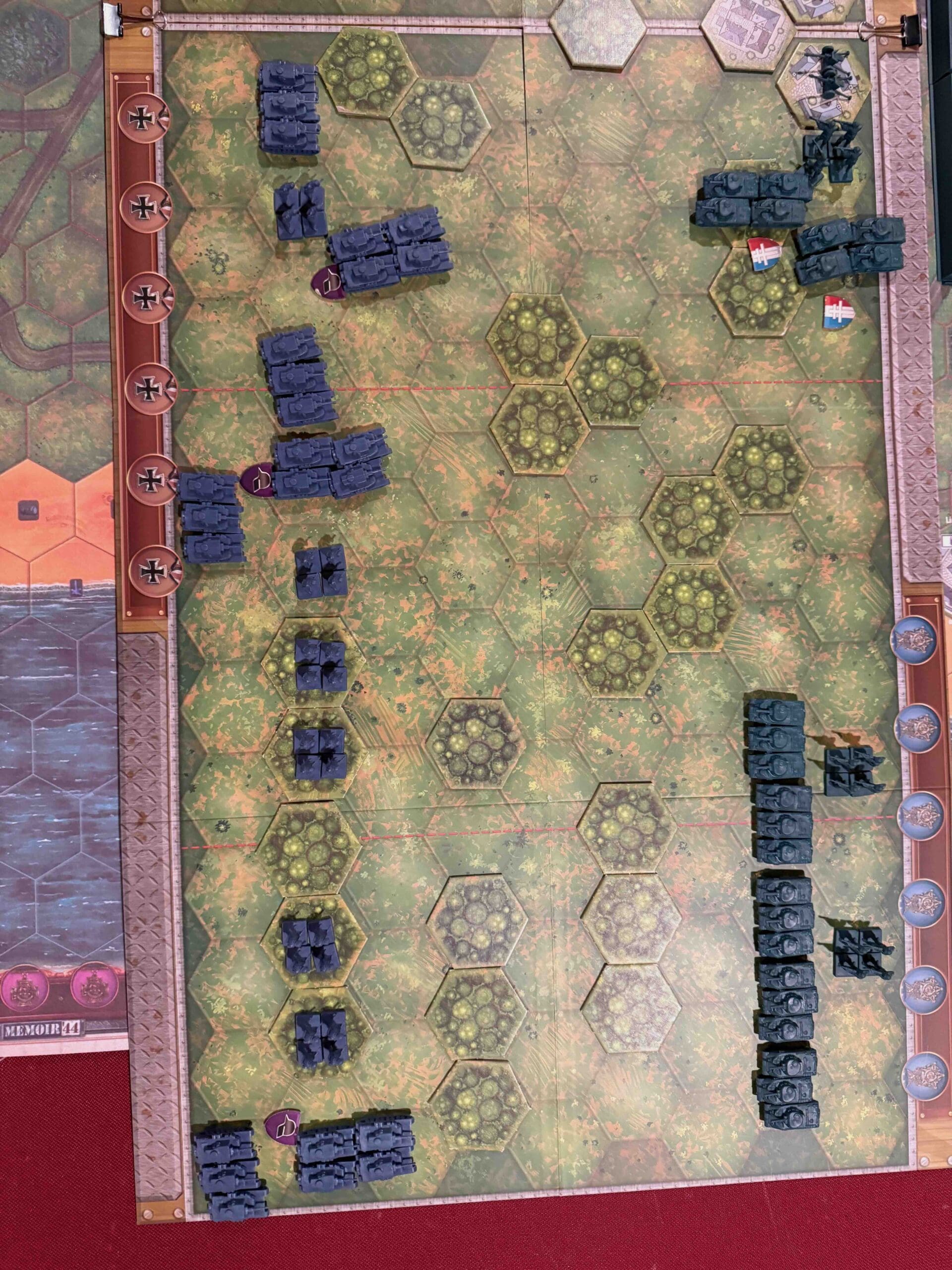
Exactly 4 years after the Nazi invasion of the Soviet Union, the Russians were now ready to pay back the Germans in kind! The Allies had finally landed in France and the German forces were stretched thin. Moreover, an elaborate campaign of deception had the Germans convinced the Russian Summer Offensive would be launched further to the South in Ukraine. Therefore, Army Group Center had been stripped of much of its armour and artillery. The main objective of the offensive was to liberate Belorussia and its capital Minsk. The success was to prove so enormous, however, that by the end of Operation Bagration the Soviets found themselves at the gates of Warsaw and the shores of the Baltic. German Army Group Center, which three years earlier, had come so close to capturing Moscow, had ceased to exist. Will you be able to duplicate this success as the Russian player or will you be able to slow them down and thereby save a substantial number of German troops, playing the Germans? The battle lines are drawn, you are in command and the rest is history!

36 VP’s (!)

card

Card Balance:

Allies –

  • Allied player [ Soviet Union ]
  • 6 Command cards for each Breakthrough board
  • You move first.

Axis –

  • Axis player [ Germany ]
  • Start with 3 Command cards for each Breakthrough board
  • Draw 2 cards each turn until you have 5 for each Breakthrough board

Complexity:

5

Conditions:

Countryside

countryside

Context:

Historical

Location:

Year:

1944

Theater:

Eastern Front

Campaign:

Codename:

Operation Bagration

Summary:

Objectives:

36 VP’s, plus many other conditions. Read the PDF special rules.

Terrain:

Countryside with rivers and roads 

Troops:  (check the PDF for specific the specific troop deployments) 

medal allies

Allied Strategy:

1.  

medal axis

Axis Strategy

1. 

0
BR - Payback

Author:

Willem Boersma

Complete Scenario Link:

https://generalhowitzer.com/62ne

Operation Spring

Operation Spring

scenario_OperationSpring_start


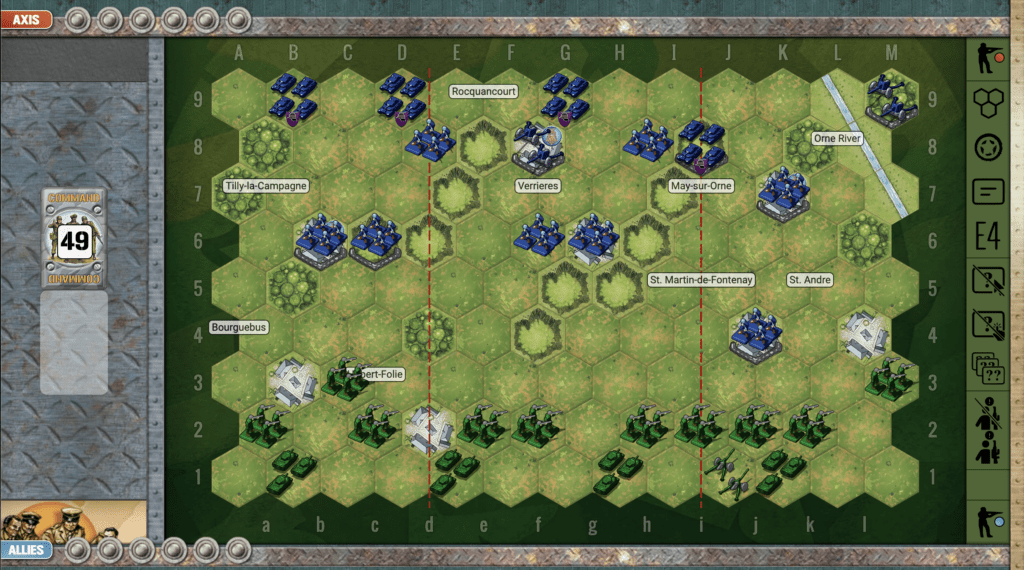
Operation Spring was  launched on July 25-27, 1944, during the Battle of Normandy. The operation aimed to capture key positions south of Caen, France, and support the larger Allied offensive, including Operation Cobra by the Americans.

  • The 2nd Canadian Infantry Division, supported by tanks from the 2nd Canadian Armoured Brigade, led the assault.
  • Their objectives included capturing key villages like Verrières Ridge, May-sur-Orne, and Tilly-la-Campagne, vital for controlling the high ground.
  • The Canadians faced well-entrenched German forces, including elements of the 12th SS Panzer Division and the 1st SS Panzer Division (Leibstandarte Adolf Hitler).
  • Heavy resistance, powerful defensive fire, and poor visibility caused high casualties.
  • The operation failed to achieve its primary objectives, though it diverted German forces from other fronts.
  • Canadian forces suffered over 1,500 casualties, marking one of their most costly engagements in Normandy.

Here are General Howitzer’s comments on the battle:

“Listen up! Operation Spring kicked off on July 25th, 1944. It was the Canadians’ job to take the high ground south of Caen, hit those German defenses, and give the Americans in Operation Cobra a clear path to move out.

Even though they didn’t take everything they wanted, they tied down those German divisions and gave the Allies the breathing room to keep pushing. That’s how you fight, boys—you go where you’re needed, you hit the enemy hard, and you keep the pressure on, no matter the cost!

6 VP’s

Card Balance:

Allies – 5

Axis – 6

Complexity:

4

Conditions:

Countryside

Context:

Historical

Location:

France

Year:

1944

Theater:

Mediterranean

Campaign:

Battle of Normandy

Codename:

Operation Spring

Summary:

Objectives:

6 VP’s including territorial objectives for town captures

Terrain:

Countryside with a couple of hilly ridges angling across the central section.

Troops:

Allies – 10 Infantry, 4 Armor, 1 Artillery

Axis –  7 Infantry, 4 Armor, 2 Artillery


medal allies

Allied Strategy:

1.  Your artillery in the right flank can control all the area around St. Andre.  If you move it forward just one row towards the center, and position it between both sections, you will be in a better offensive position to control the right flank, but more importantly, can support the attack against the central hills with 2D rolls.

2. If you get the right set of cards, you can quickly gain the hilly advantage in the center section. From there you will be able to make things much for difficult for the Axis forces. But be aware that your plan must include an assault on the Allies central artillery, and medal objective. 

medal axis

Axis Strategy:

1.  Your trapped artilley behind the Orne River will only be basically useful for defensive purposes, should the enemy make a fool-hardy assault on that flank.

2.  Your artillery in the town of Verriers will be the key to controlling the central section and eliminating any enemy forces that try to control the central hills.

3.  One of the two armor on your right flank should be placed on the ridge in the central section as both a deterrant, and eventual attack function.  The other can either defend against any attack towards the town of Tully-la-campaigne, or eventual move into the center to support that attack vector.

17
BR - Operation Spring

Author:

Link:

Battle Of Tannenburg Line (BT,EF,TP)

Battle Of Tannenburg Line (BT,EF,TP)

map

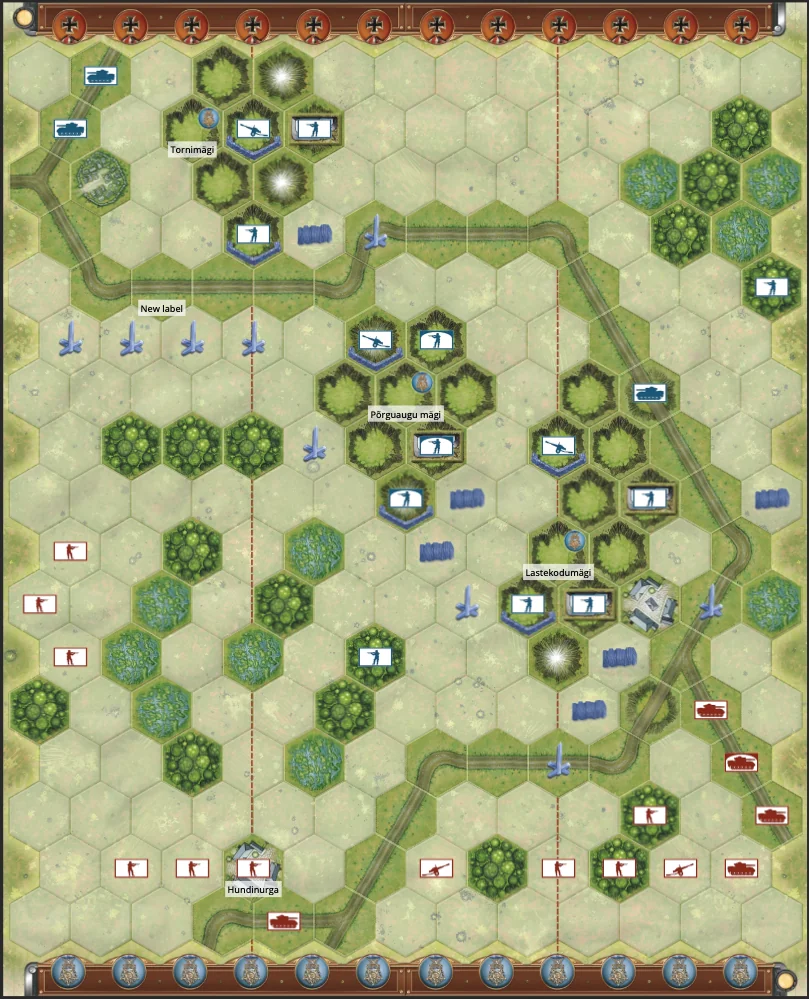
By the summer of 1944, the Soviet Red Army was on the offensive, pushing westward toward the Baltic Sea in a bid to crush the German Army Group North. One of the most critical defensive positions for the Germans lay in northeastern Estonia, on the Tannenberg Line. This line was anchored by the Sinimäed Hills — a series of three steep elevations known as Lastekodumägi, (Children’s Home Hill), Põrguaugu (Hell’s Hole), and Tornimägi (Tower Hill). These hills provided a natural defensive barrier, and the Germans had heavily fortified them with bunkers, trenches, and artillery positions.


Facing them was the Soviet Leningrad Front, under the command of Marshal Leonid Govorov, tasked with breaking through the Tannenberg Line and opening the path to the Baltic Sea. Soviet forces included powerful infantry, armor, and artillery units, determined to seize the high ground. However, the rugged terrain and Axis fortifications posed a formidable challenge. Swamps, forests, and anti-tank obstacles complicated the Soviet advance, making coordinated assaults difficult. The German defenders, led by General Johannes Frießner, included regular Wehrmacht units and elite Estonian Waffen-SS forces, fighting tenaciously to hold their positions on the Sinimäed Hills. These defensive positions offered a clear advantage, giving the Axis the ability to rain down fire on Soviet units struggling to traverse the open ground and difficult terrain below.


The Soviet assault began on July 25, 1944, with fierce fighting erupting on the hills. Over the course of the battle, Soviet forces launched wave after wave of attacks, while the Axis defenders, outnumbered but well-entrenched, fiercely resisted.

The stage is set, the battle lines are drawn, and you are in command. The rest is history.

12 VP’s

Card Balance:

Allies – 5

Axis – 6

Complexity:

4

Conditions:

Countryside

Context:

Historical

Location:

Estonia

Year:

1944

Theater:

Eastern Front

Summary:

Objectives:

12 VP’s, including some territorial objectives:

Lastekodumägi, Põrguaugu mägi and Tornimägi are Permanent Medal Objectives for the Allied forces.

Terrain:

Includes a series of three steep elevations known as Lastekodumägi, (Children’s Home Hill), Põrguaugu (Hell’s Hole), and Tornimägi (Tower Hill). These hills provided a natural defensive barrier, and the Germans had heavily fortified them with bunkers, trenches, and artillery positions.

Troops:

Allies – 9 Infantry, 5 Armor, 2 Artillery

Axis – 10 Infantry, 3 Armor, 3 Artillery

Special Rules:

Russian command rules are in effect


Allied Strategy:

Axis Strategy

1
BR - Tannenburg Line

Author:

raikster

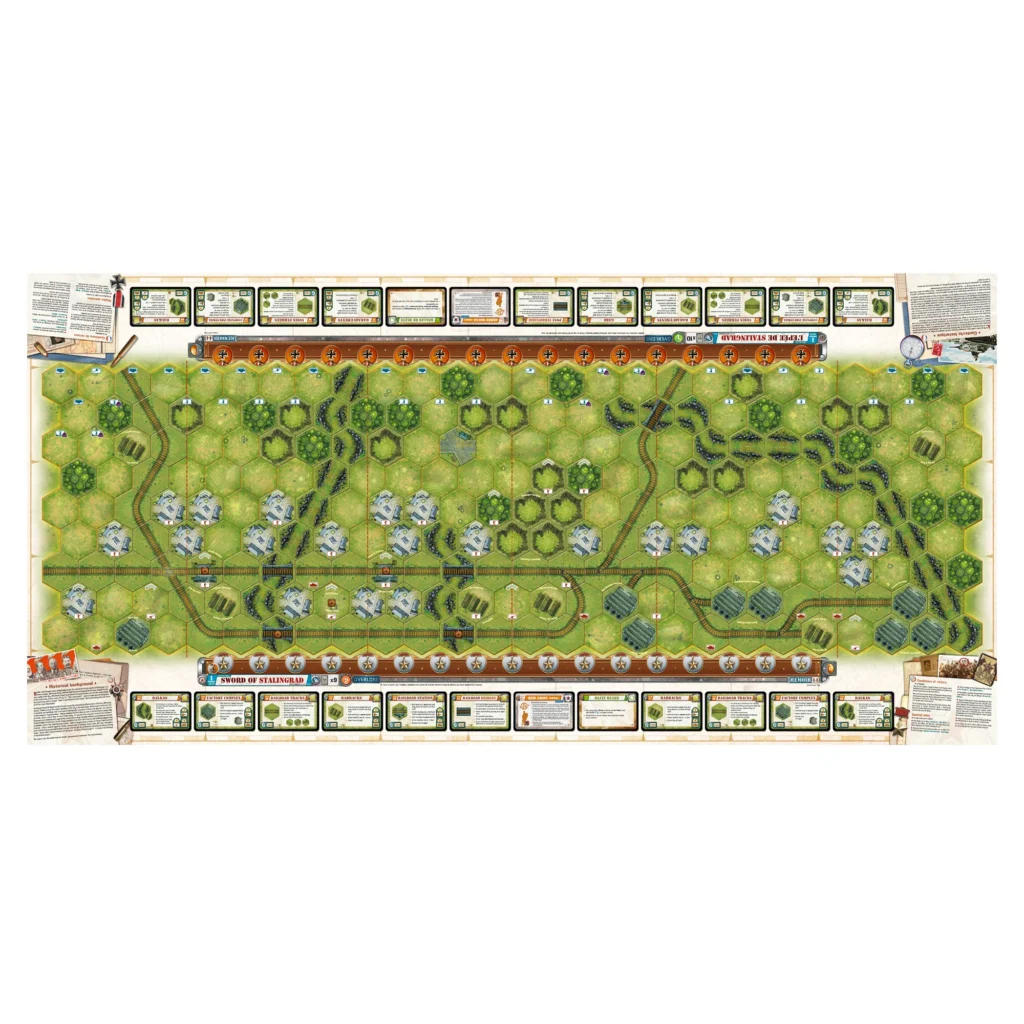
Sword of Stalingrad

Sword of Stalingrad

Sword-Stalingrad

Stalingrad. July ’42 to February ’43. One of the bloodiest, ugliest slugfests in the history of war—and the place where Hitler’s dreams started bleeding out in the snow.

The Germans charged in hard, aiming to take the city and crack open the Soviet underbelly on their way to the Caucasus oil fields. They bombed Stalingrad to rubble, thinking they could steamroll the Soviets in the ashes.

But rubble favors the defender—and the Soviets fought like wild dogs in every street, every cellar, every damn staircase. House-to-house, room-by-room, tooth-and-nail. The Germans took ground, lost it, and bled for every inch.

And then came the real punch: a Soviet counterattack that closed the trap, surrounded the German 6th Army, and squeezed until there was nothing left but cold, hunger, and surrender.

Stalingrad wasn’t just a Soviet victory—it was the beginning of the end for the Nazi war machine. From that frozen hellhole, the Red Army started marching west—and they didn’t stop till they hit Berlin.

You want to talk grit? Talk Stalingrad. That’s what happens when an enemy pushes too far and meets a defender with nothing left to lose.

~~ General Howitzer

17  VP’s

Card Balance:

Allies – 9

Axis – 10

plus Combat Cards

Complexity:

5

Conditions:

Urban

Location:

Russia

Year:

1942

Theater:

Eastern Front

Campaign:

Context:

Historical

Summary:

This is a massive and complex scenario with many strategic elements that makes for an exciting and challenging game.

Objectives:

17 VP’s (!), including numerous territorial medals

Battlefield:

This battlefield has countryside on the Axis side, and urban factories, towns, and other buildings on the Allied side. It is a quite complex battlefield.

Troops:

Allies – Infantry, Armor, Artillery

Axis – Infantry, Armor, Artillery 

Allied Strategy

1.  Historically, the Russians were defending themselves from the Nazi’s, so much of this scenario is spent behind sandbags, attacking the enemy where you can, to degrade their offensive capabilities.

2.  You need to protect the territorial medals which are available to the Axis, should they gain control of various railroad stations, the central hills, or the factory complexes.  At the start of the game, you will be granted control of these and the three medals that go with them. But as the game proceeds it will be increasingly difficult to defend and keep this territory and its medals. 

3.  Your left flank is the most medal-rich area for the Axis to target.  So be prepared for an attack there. Manage your cards so that you can respond to aggression.

Axis Strategy

1. This game is won by making your forces mobile.  Invade the city hexes with your infantry, and get your armor onto the Allied back row to start snatching those territorial medals. 

2. There is a large hill and woods complex in the center section which is worth two VP territorial medals. Control it with both infantry and armor.

0
BR - Sword of Stalingrad

Author:

Days of Wonder

Battle Maps, Vol. 3

Link:

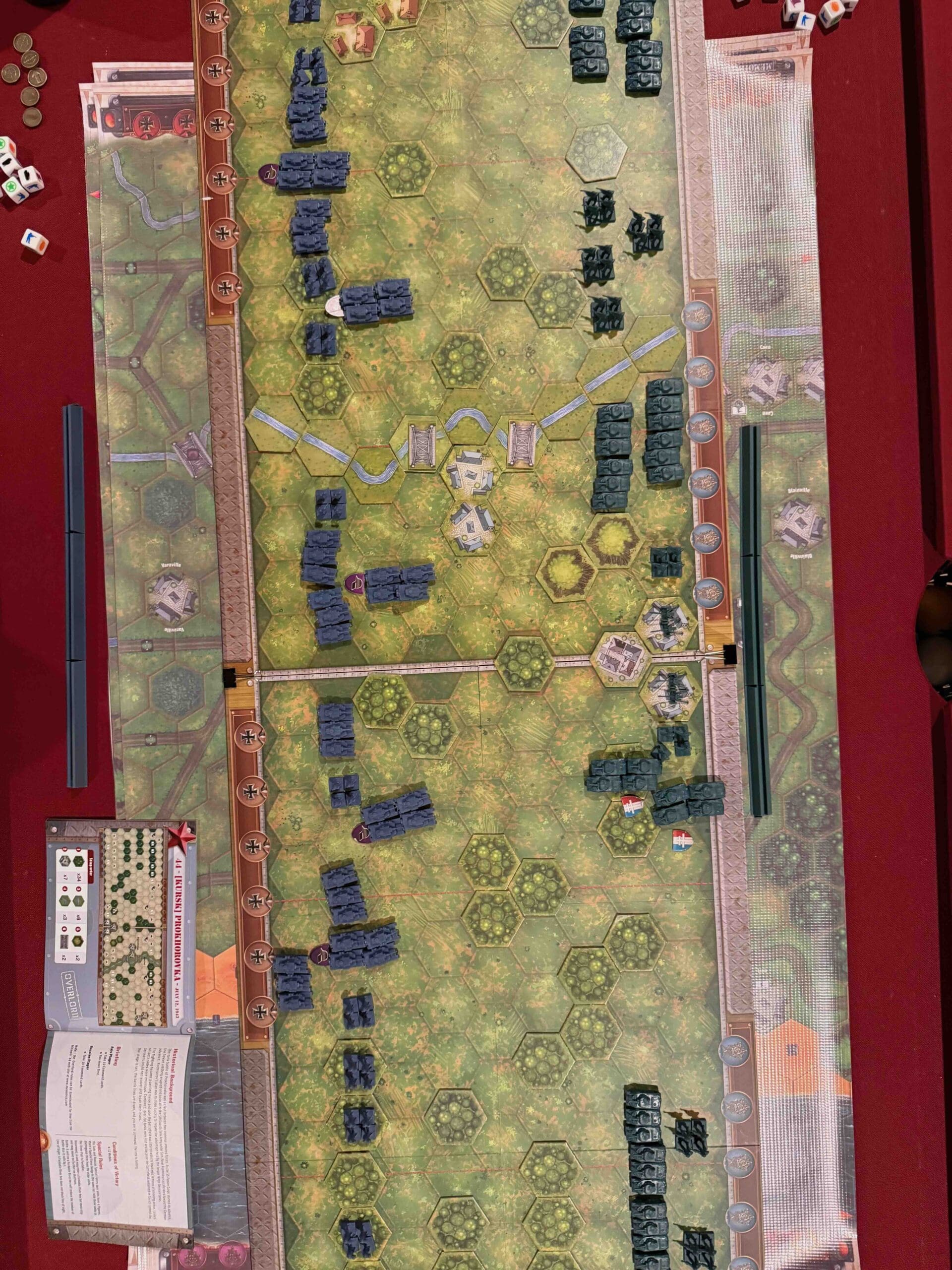
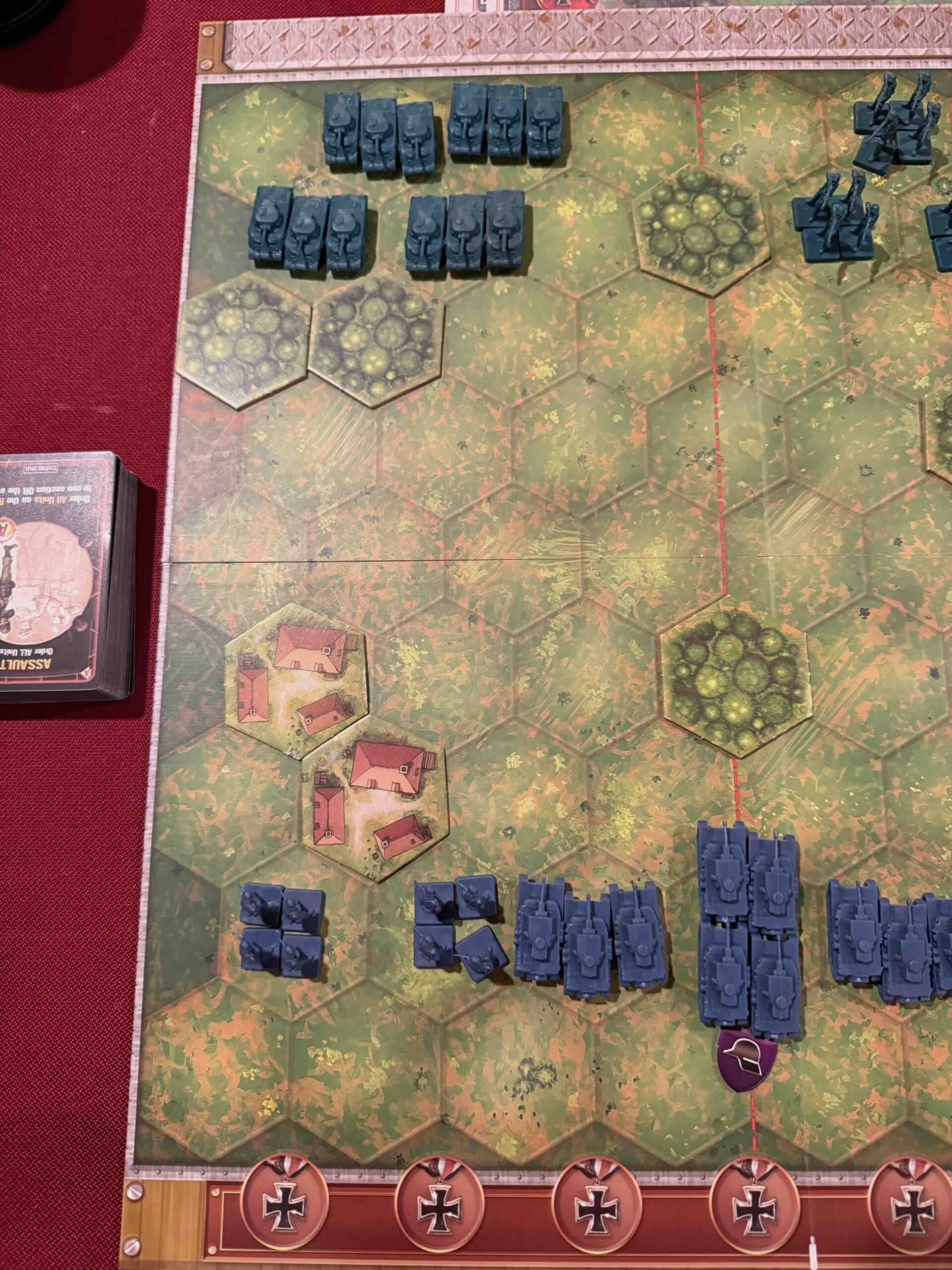
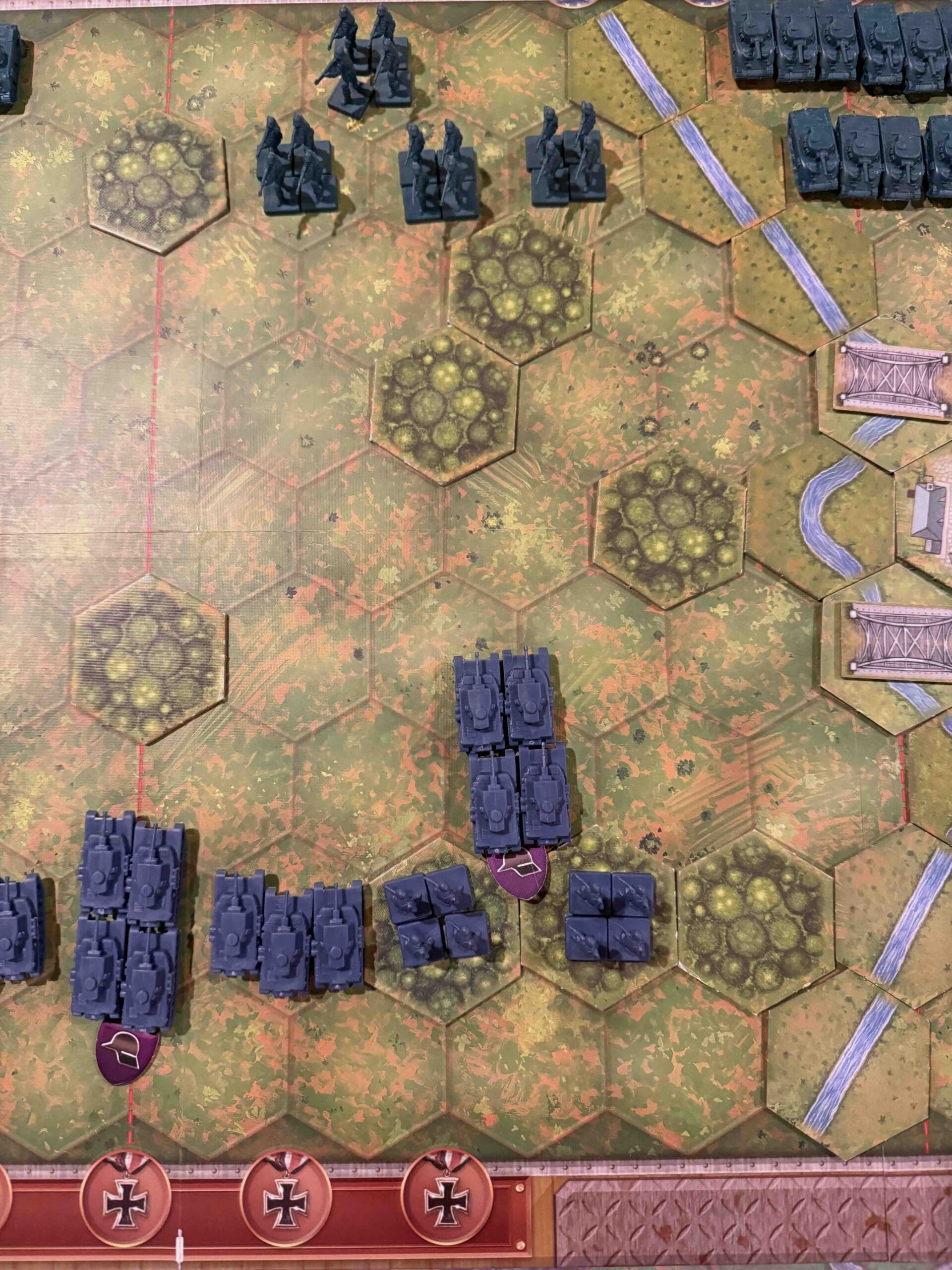
Prokhorovka (Kursk)

La Prokhorovka ( Kursk ) [Overlord]

The Battle of Prokhorovka on July 12, 1943, was one of the largest tank clashes of World War II, fought between Soviet forces and Germany’s II SS Panzer Corps during the Battle of Kursk. The Soviets launched a massive counterattack to halt the German advance, resulting in brutal close-quarters fighting.

General Howitzer summarizes the results:

Prokhorovka was the kind of fight that strips war down to raw courage and cold steel. On July 12, 1943, the Germans drove forward with their elite SS Panzer divisions, thinking they’d punch a clean hole through the Soviet lines and finish the Kursk offensive on their terms. Instead, they ran headfirst into a Soviet counterattack that came on like a tidal wave of T-34s.

This wasn’t long-range dueling — this was knife-fight range, tank against tank, guns blazing at fifty yards, machines ramming each other like charging bulls. The battlefield turned into a cauldron of smoke, fire, and shattered armor. And in that chaos, the Russians did what mattered most: they stopped the Germans cold.

The Panzers never got their breakthrough. Kursk slipped from Hitler’s grasp. And Prokhorovka proved once again that in war, the side that holds its ground with grit and fury — not just fancy equipment — is the side that turns the tide.

12 VP’s

Card Balance:

Allies – 10

Axis – 10

Complexity:

4

Conditions:

Countryside

Context:

Historical

Location:

Russia

Year:

1943

Theater:

Eastern

Campaign:

Battle of Kursk

Codename:

Operation Citadel

Summary:

Objectives:

12 VP’s

Battlefield:

A countryside with the River Pesl cutting vertically through the left section. 

Troops:

Allies – 8 Infantry, 15 Armor, 2 Artillery

Axis – 11 Infantry, 14 Armor

Special Rules:

1.  The River Psel is fordable.


medal allies

Allied Strategy:

1.  You have two Artillery placed right in the center of the battlefield hidden in the town hexes.  They will be much more useful to you, if you can move them forward a hex or two.

2.  Move your Armor unit which is in the forest hex just to the left of the city of Prokhorovka up into the forest hex which is exactly in the center of the battlefield. It will give you a magnificent view of the battlefield in all directions.  

3.  Your Armor units stuck in the right corner, need to come forward to be prepared for attack in that section. 

STRATEGIC OVERVIEW

1.  This is a 12 medal game so there is a lot of strategic placement which will pay dividends for you to win later on in the game.  

2.  So grab the forest and town hexes as quickly as possible, so that you can attack the enemy forces from a safe location.  There are so many tanks in this scenario that if you leave any of your forces out in the open, they will get wiped out.

3.  There are so many tank figures in this game that as many as 50 armor figures could get wiped out before the game is over.  

medal axis

Axis Strategy:

1.  The Axis have an attack vector on the right section. They can move their Infantry two hexes forward and capture the woods in the very center of the battlefield.  Also, your Armor in the right need to be move forward quickly and placed into the forest hexes to be prepared to attack the enemy.

2.  Get all of your Armor which is sitting out in the open in the center section into defensive positions, or they will be wiped out.

Battle Reports

1
BR - Prokhorovka

Author:

Days of Wonder

Link:
FROM BORGO A MAZZANO TO BARGA

FROM BORGO A MAZZANO TO BARGA (BrEF)

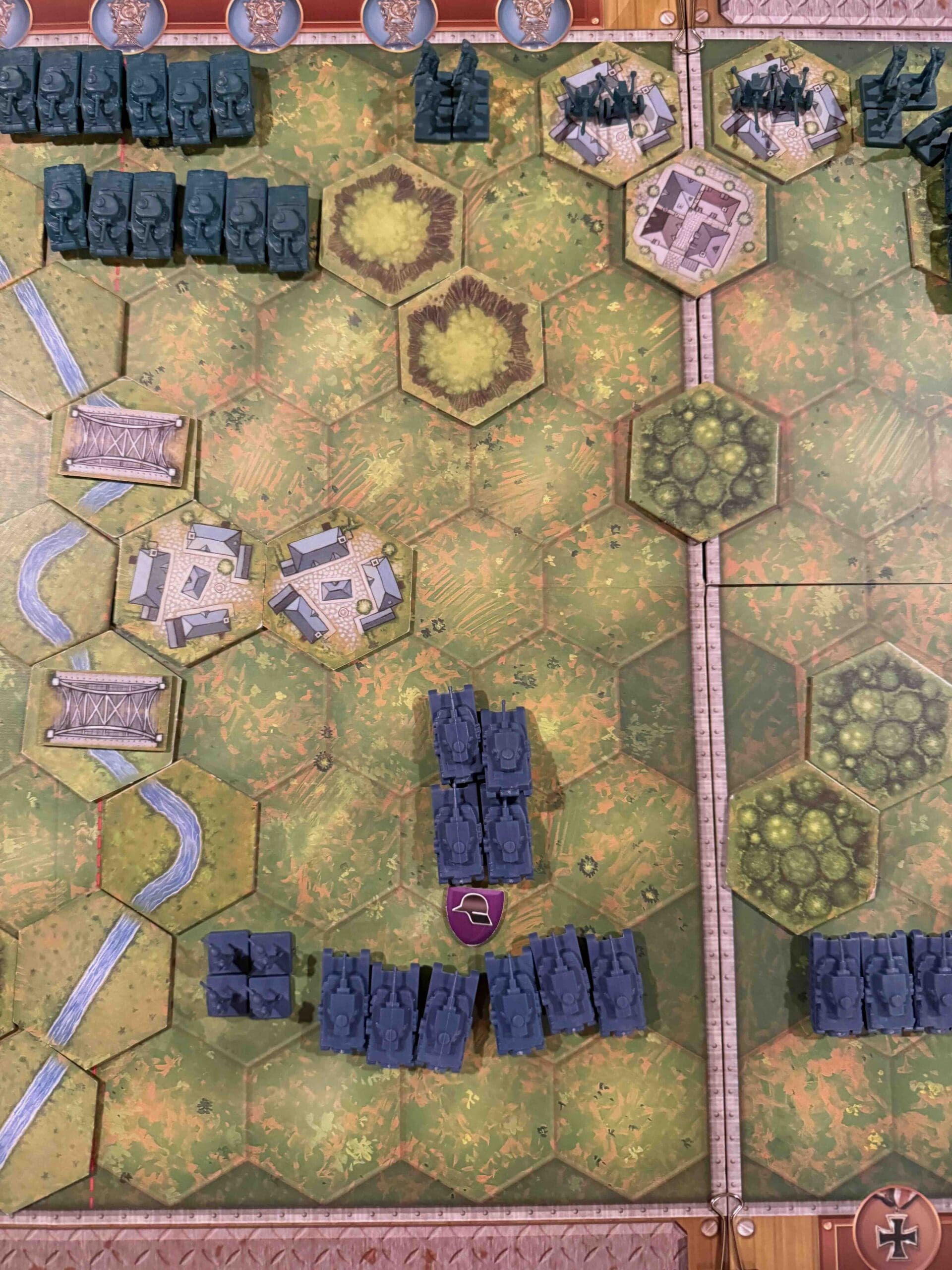
After victories in the Massarosa, Camaiore and Monte Prana, the Brazilian troops were directed towards the village of Borgo a Mozzano. Aware in advance of the location and capabilities of the Germans in this stretch of the Gothic Line, the US command ordered the Brazilians to follow a course parallel to the Serchio River. While US troops proceeded on the opposite side of the river. By entering the Serchio River valley the FEB could avoid the expected German defences of the Gothic Line. It was discovered however that much of the line in that area had already been abandoned by the Axis, who had retreated about 9 miles to the north.

Further on, crossing the river, the FEB came across a factory of ammunition and aeronautical materials in Fornaci, which the Germans abandoned intact (but tried to recover in a counterattack.) The FEB then headed north to liberate Gallicano and Barga. In the process of doing this they clashed with the battle hardened veterans of the 148th German Division.

5 VP’s

Card Balance:
Allies – 5
Axis – 4

Complexity:

4

Conditions:  

Countryside

Context:

Historical

Location:

Italy

Date:

Sept. – Oct. 1944

Theater:

Western

Campaign:

Brazilian Expeditionary Force

Code Name

Context:

Historical

Summary:

Objectives:

5 VP’s

Battlefield:

Battlefield has a road and a river cutting across each other in an x-shape, with a couple of bridges.

Troops:

Allies – 9 Infantry, 1 Armor

Axis – 8 Infantry

Allied Strategy

Axis Strategy:

This scenario is something a little different. It’s an Axis tactical withdrawal across a bridge and then a regroup in a factory. A well deployed Behind Enemy Lines Card for the Axis can deliver a crushing blow on the Smoking Snakes on the Axis right flank. This can then be followed up with a dash across the bridge. [ Marcus Wallis ]

Battle Reports:

0
BR - BORGO

Author:

Icles Rodriquez & Memoir 44 Japan